
5,000+
Successful treatments placed
Real patients, real outcomes across hair, dental, cosmetic and IVF programs in 13+ countries since launch.
+4,995 happy travellers
Get approximate cost for Urology Treatment

Urology is a part of health care that deals with diseases of the male and female urinary tract. The treatment addresses disorders of the urinary tract and male reproductive system. Common procedures include kidney stone removal, prostate surgery, and treatment for urinary incontinence. Urologists use medical and surgical interventions to manage conditions, promoting urinary health and reproductive well-being.
Share a few details and receive a personalized quote from our medical coordinators within 24 hours no obligation.
Urology treatment in Ethiopia, offers comprehensive care for various urological conditions. Specialized urologists provide diagnosis and treatment for kidney stones, urinary tract infections, prostate issues, bladder problems, and erectile dysfunction. Advanced diagnostic tools aid in accurate assessments, while treatment options include medication, minimally invasive procedures, or surgery, depending on the condition's severity. Accessible and quality urology care ensures patients receive timely interventions to address their urological concerns effectively, promoting overall well-being and improving their quality of life.
Urology treatment refers to medical care focused on diagnosing and managing conditions related to the urinary tract system and male reproductive organs. This includes addressing issues such as urinary tract infections, kidney stones, prostate disorders, bladder problems, and sexual dysfunction. Urologists utilize various diagnostic methods, including imaging tests and laboratory evaluations, to assess these conditions accurately. Treatment options range from medications and lifestyle modifications to minimally invasive procedures and surgery, depending on the severity and nature of the condition. The goal of urology treatment is to alleviate symptoms, improve urinary function, and enhance the overall quality of life for patients.
Addis Ababa
Laparoscopic urological surgery: Minimally invasive procedures using small incisions and a camera for precise urological interventions.
Kidney transplants for people with ABO compatibility: Transplantation of kidneys between donors and recipients with compatible blood types.
Renal transplants: Surgical procedure transferring a healthy kidney from a donor to a recipient with kidney failure.
Uro-oncology: Specialty dealing with cancers of the urinary tract and male reproductive system.
Reconstructive urological surgery: Procedures restoring normal urinary function or repairing abnormalities in the urinary tract.
Laser urological procedures: Minimally invasive techniques using laser technology for various urological conditions and treatments.
Turkey
Penile prosthesis applications: Surgical implantation of devices to treat erectile dysfunction and restore sexual function in men.
Testicular prosthesis placement: Surgical insertion of artificial testicular implants to restore appearance and self-esteem after testicle removal (orchiectomy).
Microsurgical varicocele surgery: Precise, minimally invasive procedure to repair varicose veins in the scrotum that can cause infertility and discomfort.
Endoscopic Ureteral Stone therapy: Minimally invasive procedure using a thin tube (endoscope) to remove or break up kidney stones lodged in the ureter.
Prostate surgery: Surgical procedures to treat conditions affecting the prostate gland, including benign prostatic hyperplasia (BPH) and prostate cancer. These may include transurethral resection of the prostate (TURP) or robotic-assisted prostatectomy.
India
Urologic Oncology: Specialized field focusing on the diagnosis and treatment of cancers affecting the genitourinary tract, including bladder, prostate, kidney, and testicular cancers.
Pediatric Urology: The branch of urology deals with urinary tract issues in children, such as congenital abnormalities, urinary tract infections, and bedwetting.
Female Urology: Subspecialty addressing urinary tract disorders unique to females, such as urinary incontinence, pelvic organ prolapse, and recurrent urinary tract infections.
Andrology: This area of urology focuses on male reproductive health, including infertility, erectile dysfunction, and hormonal disorders affecting the male reproductive system.
Urology Procedures: Medical interventions and surgeries performed to diagnose or treat urological conditions, including cystoscopy, lithotripsy, and ureteroscopy.
Urologic Surgery: Surgical procedures to address various conditions of the urinary tract and male reproductive system, such as kidney stone removal, prostatectomy, and bladder reconstruction.
Robotic Surgery: Surgical approach utilizing robotic systems to perform minimally invasive procedures with enhanced precision and control, commonly used in prostate and kidney surgeries.
United Kingdom
Bladder Cancer: Malignant growth in the bladder lining requiring treatment.
Kidney Cancer: Abnormal cell growth in the kidneys necessitating intervention.
Prostate Cancer: Cancerous cells develop in the prostate gland.
Benign Prostate Enlargement (BPH): Non-cancerous enlargement of the prostate gland causing symptoms.
Urinary Tract Infections (UTIs): Bacterial infections affecting the urinary system, require treatment.
Erectile Dysfunction (ED): Inability to achieve or maintain an erection.
Kidney Stones: Solid mineral deposits in the kidneys or urinary tract.
Urinary Incontinence: Involuntary leakage of urine due to weakened bladder control.
Male Infertility: Inability to impregnate a female partner due to various factors.
Robotic Surgery: Surgical procedures performed using robotic systems for enhanced precision.
United States
Prostatectomy: Surgical removal of the prostate gland, often used for prostate cancer.
Nephrectomy: Removal of a kidney, typically for kidney cancer or severe kidney disease.
Cystectomy: Removal of the bladder, often performed for bladder cancer.
Lithotripsy: Non-invasive technique to break down kidney stones using shock waves.
Vasectomy: A permanent form of male contraception.
Chemotherapy: Used to treat urological cancers, including bladder, kidney, and prostate cancer.
Radiation Therapy: Targeted radiation to destroy cancer cells or shrink tumors.
United Arab Emirates
Open and Minimally Invasive Radical Prostatectomy: Surgical removal of the prostate gland, often used for prostate cancer.
Urologic Reconstruction: Procedures to restore or improve the function of the urinary tract.
Laparoscopy: A minimally invasive surgical technique used for various urological conditions.
Treatment of Urinary Stones: Techniques such as lithotripsy to break down kidney stones.
Treatment for Benign Prostate Hypertrophy (BPH): Management of enlarged prostate.
Treatment of Erectile Dysfunction: Addressing male sexual health issues.
Minimally Invasive Techniques for Kidney Disease: Innovative approaches for kidney-related conditions.
Here are some esteemed urologists in Addis Ababa, Ethiopia who provide exceptional care to patients:
Dr. Michael Abdissa
Dr. Bedri Ahmed
Dr. Getachew Aklilu
Dr. Abera Gobeze Alemneh
These hospitals provide specialized care for urological conditions and are trusted by patients in the region
Black Lion Hospital
St. Paul’s Hospital Millennium Medical College
Tikur Anbessa Specialized Hospital
Zewditu Memorial Hospital
Before the Procedure:
Consultation: The process begins with a thorough consultation with a urologist. The patient discusses symptoms, medical history, and any relevant diagnostic tests.
Diagnostic Tests: Depending on the condition, the urologist may order tests such as urine analysis, blood work, imaging (ultrasound, CT scan), or cystoscopy.
Preparation: Patients receive instructions on fasting, medications, and any necessary lifestyle adjustments before the procedure.
After the Procedure:
Recovery: Patients are monitored post-surgery. Pain management, wound care, and mobility are crucial.
Follow-up: Scheduled follow-up visits allow the urologist to assess healing, address any complications, and discuss long-term care.
Medications: Antibiotics, pain relievers, or other prescribed medications.
Lifestyle Modifications: Patients may need to adjust their diet, fluid intake, and physical activity.
Monitoring: Regular check-ups ensure optimal recovery and address any concerns.
The urology treatment journey in Addis Ababa, Ethiopia with Yapita Health includes services like travel assistance, complimentary online consultation, private accommodations with amenities like TV and telephone, 24/7 logistical support, and affordable treatment packages. Experience top-notch healthcare and comprehensive services here.
You can fill up the form at the top of the page to start your treatment journey with Yapita health.
Verified clinics, transparent pricing, end-to-end concierge the proof, measured.
5,000+
Successful treatments placed
Real patients, real outcomes across hair, dental, cosmetic and IVF programs in 13+ countries since launch.
1,000+
Expert doctors
Board-certified specialists committed to quality care
20+
Countries covered
From Istanbul to São Paulo, on six continents.
98%
Patient satisfaction
Verified post-treatment reviews & follow ups.
400+
Partner hospitals
JCI and ISO-accredited facilities only.
100%
Verified clinics
On-site audits before any clinic ships traffic.
24/7
Patient support
Concierge in your language, every step of the way.
At Yapita Health, we offer urology treatment services with a skilled medical team. Our expertise, personalized care, and state-of-the-art facilities ensure the best outcomes for patients in need of a urology treatment. Trust us for a successful procedure and improved quality of life.
Share a few details and a Yapita Health coordinator will send you a vetted clinic shortlist and personalized quote within 24 hours.
Common questions about Urology Treatment in Addis Ababa, Ethiopia, answered by our care team.
The recovery period varies based on the specific procedure. It can range from a few days for minor interventions to several weeks for more complex surgeries.
The timeline for resuming normal activities depends on the nature of the treatment. Patients are typically advised to gradually resume activities, with specific instructions provided by the urologist.
Complications vary by procedure but may include infection, bleeding, or adverse reactions to anesthesia. Potential side effects depend on the specific medications or interventions involved.
Yes, follow-up appointments are crucial for monitoring recovery progress, addressing concerns, and making any necessary adjustments to the treatment plan. Regular follow-ups ensure comprehensive post-treatment care.
Lifestyle recommendations depend on the nature of the urological condition. They may include dietary changes, exercise modifications, and adherence to prescribed medications to promote overall health and prevent recurrence.
Pain or discomfort varies based on the procedure. Adequate pain management is typically provided during and after surgery, and any persistent discomfort should be communicated to the healthcare team for appropriate adjustments.
Expert guides and insights about Urology Treatment in Addis Ababa, Ethiopia to help you decide with confidence.
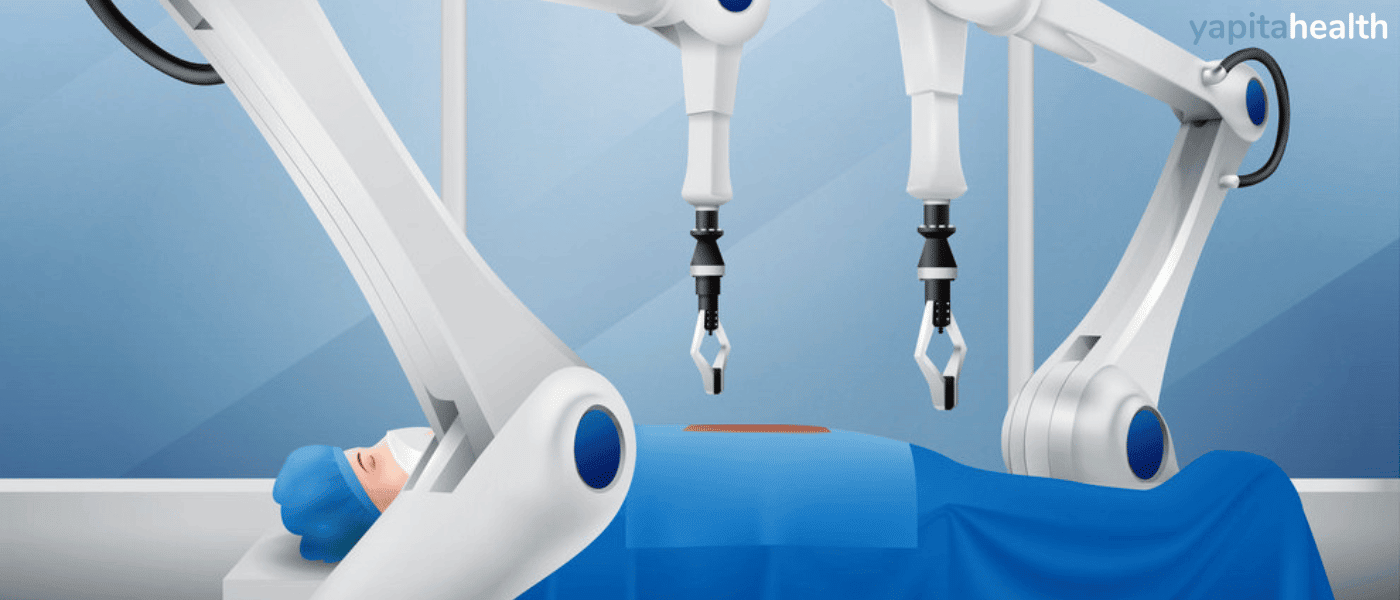
Learn about varicocele causes and the advanced treatment option of robotic varicocelectomy. Discover the benefits of this innovative approach for effective relief and improved outcomes.
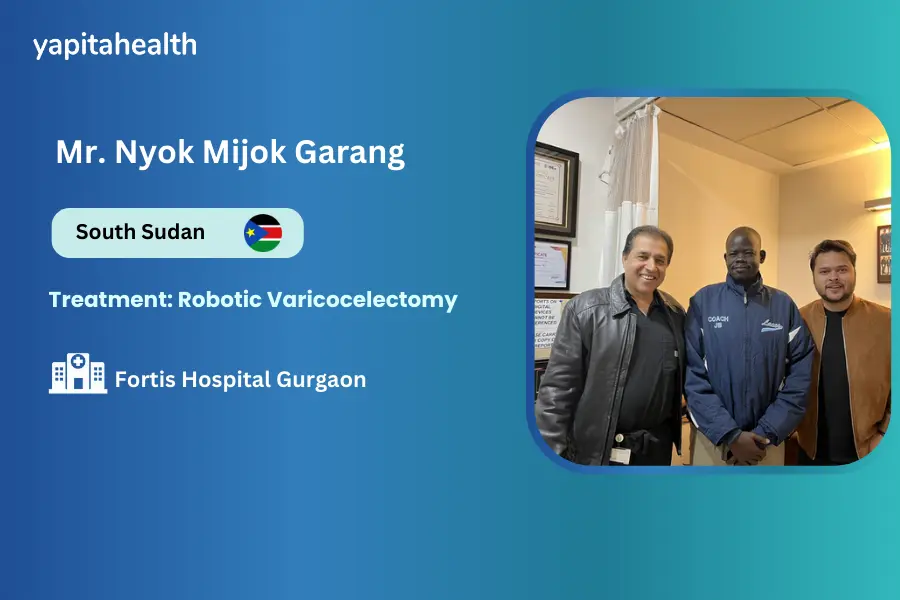
Read about Nyok Mijok Garang experience with Yapita Health's treatment for Robotic varicocelectomy. Learn about our specialist doctors, Affordable treatment packages