
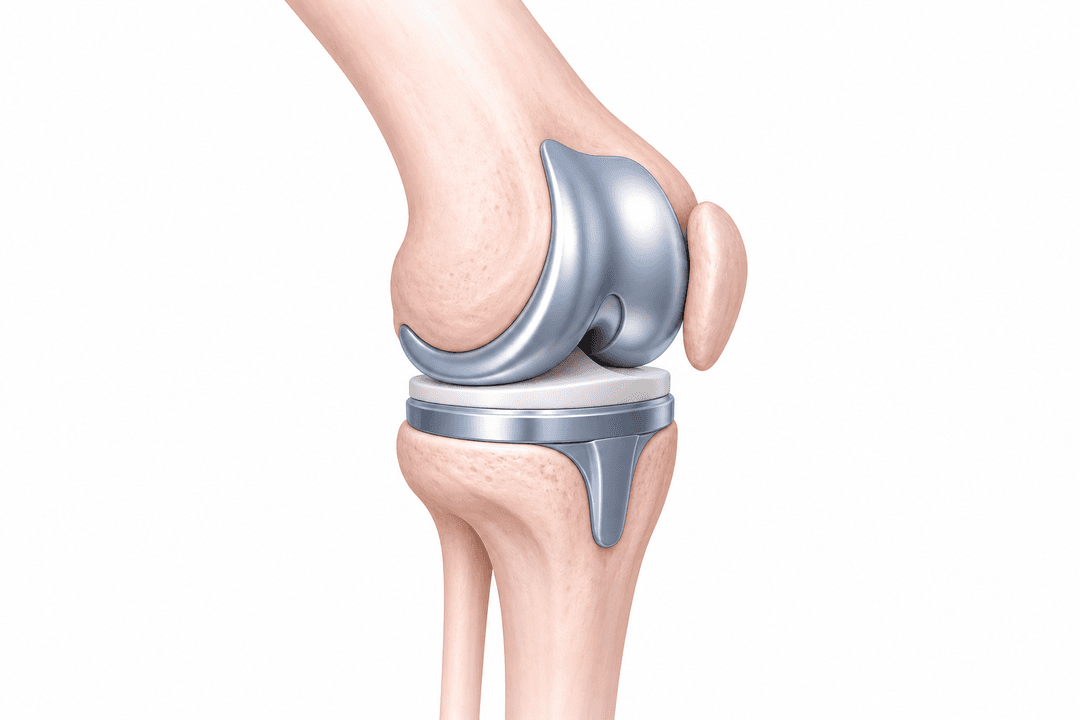
Orthopedic
Move freely without pain.
Estimated Cost
$6,350
Knee replacement all inclusive.
Duration
5–10 Days
Recovery
6–12 Weeks
Get approximate cost for Shoulder Replacement Surgery in India

Shoulder replacement removes damaged areas of bone and replaces them with parts made of metal and plastic (implants). This surgery is called shoulder arthroplasty (ARTH-row-plas-tee). The shoulder is a ball-and-socket joint. The round head (ball) of the upper arm bone fits into a shallow socket in the shoulder.
Select a procedure for an instant estimate from leading JCI-accredited orthopedic centers.
Shoulder replacement surgery in Addis Ababa, Ethiopia, is a sought-after option for patients seeking cost-effective treatment and access to proficient surgeons. The city boasts numerous hospitals and clinics providing top-notch shoulder replacement procedures at competitive rates.
With a diverse array of options available, patients can select a facility tailored to their requirements. Moreover, Addis Ababa is recognized for its cutting-edge medical technology and innovative techniques employed in shoulder replacement surgeries, enhancing its attractiveness as a destination for this procedure.
Shoulder replacement surgery, also known as shoulder arthroplasty, is a surgical procedure to replace damaged parts of the shoulder joint with artificial components. This procedure is typically recommended for individuals experiencing severe shoulder pain and limited mobility due to conditions such as osteoarthritis, rheumatoid arthritis, rotator cuff tears, avascular necrosis, or severe fractures.
During shoulder replacement surgery, the surgeon removes the damaged parts of the shoulder joint, including the ball (head of the humerus) and sometimes the socket (glenoid). These parts are then replaced with prosthetic components made of metal or plastic. The goal of shoulder replacement surgery is to reduce pain, improve mobility, and restore function to the shoulder joint.
Total Shoulder Replacement (Total Shoulder Arthroplasty): Involves replacing the shoulder's damaged ball and socket joint with artificial components.
Reverse Shoulder Replacement (Reverse Total Shoulder Arthroplasty): Designed for patients with severe rotator cuff damage, where the ball and socket are reversed, providing stability and function.
Partial Shoulder Replacement (Hemiarthroplasty): Only replaces the ball of the shoulder joint, typically used for fractures or severe arthritis affecting only one part of the joint.
Resurfacing Shoulder Replacement (Surface Replacement Arthroplasty): Similar to total shoulder replacement but preserves more bone, replacing only the damaged parts of the joint.
Stemless Shoulder Replacement: Utilizes implants without a stem, potentially preserving more bone and allowing for a less invasive procedure.
Anatomic Shoulder Replacement: Mimics the natural anatomy of the shoulder joint, restoring function and mobility.
Customized Shoulder Replacement: Tailored to the patient's unique anatomy using advanced imaging technology for a more precise fit.
Revision Shoulder Replacement: Performed to replace or repair a failed previous shoulder replacement, addressing complications or wear over time.
Addis Ababa, Ethiopia
Rotator Cuff Repair: Surgical procedure to mend torn rotator cuff tendons, restoring shoulder strength and function.
Shoulder Replacement: Surgery to replace damaged shoulder joint components with artificial implants, relieving pain and improving mobility.
Shoulder Arthroscopy: Minimally invasive procedure using a tiny camera to diagnose and treat shoulder joint issues.
Turkey
Rotator Cuff Repair: Surgical procedure to mend torn rotator cuff tendons, restoring shoulder strength and function.
Shoulder Replacement: Surgery to replace damaged shoulder joint components with artificial implants, relieving pain and improving mobility.
Shoulder Arthroscopy: Minimally invasive procedure using a tiny camera to diagnose and treat shoulder joint issues.
India
Total Shoulder Replacement: Surgery replacing damaged joints with prosthetic components to restore function and alleviate pain.
Reverse Total Shoulder Replacement: Procedure switching positions of ball and socket components for improved stability.
Partial Shoulder Replacement: Surgery replacing only the damaged part of the shoulder joint, preserving healthy tissue.
Arthroscopic Shoulder Treatment: Minimally invasive procedure using a camera and small incisions to diagnose and treat shoulder issues.
United Kingdom
Shoulder Replacement: Surgery to replace damaged shoulder joint components with artificial implants, relieving pain and improving mobility.
Shoulder Arthroscopy: Minimally invasive procedure using a tiny camera to diagnose and treat shoulder joint issues.
Rotator Cuff Repair: Surgical procedure to mend torn rotator cuff tendons, restoring shoulder strength and function.
United States
Total Shoulder Replacement: Surgery replacing damaged joints with prosthetic components to restore function and alleviate pain.
Shoulder Arthroscopy: Minimally invasive procedure using a tiny camera to diagnose and treat shoulder joint issues.
Rotator Cuff Repair: Surgical procedure to mend torn rotator cuff tendons, restoring shoulder strength and function.
United Arab Emirates
Total Shoulder Replacement: Surgery replacing damaged joints with prosthetic components to restore function and alleviate pain.
Rotator Cuff Repair: Surgical procedure to mend torn rotator cuff tendons, restoring shoulder strength and function.
Reverse Total Shoulder Replacement: Procedure switching positions of ball and socket components for improved stability.
Shoulder Arthroscopy: Minimally invasive procedure using a tiny camera to diagnose and treat shoulder joint issues.
AC (Acromioclavicular) Joint Repair: Surgical procedure to treat injury or instability of the AC joint in the shoulder.
Impingement Surgery: Surgical procedure to address shoulder impingement, relieving pain and improving function.
SLAP (Superior Labrum Anterior to Posterior) Lesion Repair: Surgical repair of a tear in the superior labrum of the shoulder.
Biceps Tenodesis: Surgical procedure to reattach the biceps tendon to the humerus bone in the shoulder.
Here are some of the top Shoulder Replacement Surgeons in Addis Ababa, Ethiopia:
Dr. Addisu Deribe
Dr. Abdullahi Mohamed Musse
Here are some of the top Shoulder Replacement Hospitals in Addis Ababa, Ethiopia:
Marcia Surgical Center
Silk Road General Hospital
Addis Ababa Fistula Hospital
Princess Beauty and Spa
Addis Hiwot General Hospital
Before Surgery:
Preoperative Assessment: The patient undergoes a thorough evaluation by the surgeon to assess shoulder function, medical history, and suitability for surgery.
Imaging: X-rays, MRI, or CT scans are conducted to assess the extent of damage to the shoulder joint and plan the surgery.
Medical Clearance: Patients may undergo medical tests and evaluations to ensure they are fit for surgery and anesthesia.
Education: The patient receives information about the procedure, expected outcomes, risks, and post-operative care.
Preoperative Preparation: The patient may be advised to stop certain medications, refrain from eating or drinking before surgery, and make arrangements for post-operative care.
After Surgery:
Recovery Room: The patient is monitored in the recovery room until fully awake and stable.
Pain Management: Medications are provided to manage post-operative pain.
Rehabilitation: Physical therapy and exercises are initiated to improve shoulder mobility and strength.
Hospital Stay: The patient may stay in the hospital for a few days for monitoring and initial rehabilitation.
Follow-up Care: The patient attends follow-up appointments with the surgeon to monitor healing, assess shoulder function, and adjust rehabilitation as needed.
Return to Activities: The patient gradually resumes normal activities and may experience improved shoulder function and reduced pain over time. Full recovery can take several months.
Long-term Follow-up: Regular follow-up appointments are scheduled to monitor the shoulder joint's function and address any concerns or complications.
Risks of Shoulder Replacement Surgery:
Infection
Blood clots
Nerve injury
Implant complications
Stiffness
Anesthesia risks
Benefits of Shoulder Replacement Surgery:
Pain relief
Improved function
Increased mobility
Enhanced quality of life
Long-term durability
Minimally invasive options
Shoulder replacement surgery recovery involves pain management, physical therapy, and a gradual return to activities. Follow-up appointments are crucial for monitoring progress. Recovery time for shoulder replacement surgery varies but typically ranges from several weeks to several months. With proper care, patients can experience improved shoulder function and quality of life post-surgery.
Shoulder Replacement journey in Addis Ababa, Ethiopia with Yapita Health includes services like travel assistance, complimentary online consultation, private accommodations with amenities like TV and telephone, 24/7 logistical support, and affordable treatment packages. Experience top-notch healthcare and comprehensive services here.
You can fill up the form at the top of the page to start your treatment journey with Yapita health.
Verified clinics, transparent pricing, end-to-end concierge the proof, measured.
5,000+
Successful treatments placed
Real patients, real outcomes across hair, dental, cosmetic and IVF programs in 13+ countries since launch.
1,000+
Expert doctors
Board-certified specialists committed to quality care
20+
Countries covered
From Istanbul to São Paulo, on six continents.
98%
Patient satisfaction
Verified post-treatment reviews & follow ups.
400+
Partner hospitals
JCI and ISO-accredited facilities only.
100%
Verified clinics
On-site audits before any clinic ships traffic.
24/7
Patient support
Concierge in your language, every step of the way.
At Yapita Health, we have a team of world-class Orthopedic surgeons who have years of experience in performing shoulder replacement surgeries. Our doctors are thorough with the latest tools and techniques and are pioneering robotic knee surgeries globally. Every year, thousands of patients prefer to visit Yapita Health for shoulder replacement surgeries relative to its success and affordability. We have delivered surgeries with the highest success rates worldwide and continue to expand our healthcare services in 20+ countries. If you have any concerns, feel free to reach out.
Share a few details and a Yapita Health coordinator will send you a vetted clinic shortlist and personalized quote within 24 hours.
Transparent pricing, no hidden fees. Every package includes the clinic stay, surgeon fee and aftercare.
Common questions about Shoulder Replacement Surgery in Addis Ababa, Ethiopia, answered by our care team.
Shoulder replacement surgery involves replacing the damaged parts of the shoulder joint with artificial components to reduce pain and improve mobility.
Candidates typically have severe shoulder pain and limited mobility due to conditions like osteoarthritis, rheumatoid arthritis, or severe fractures.
Types include total shoulder replacement, partial shoulder replacement (hemiarthroplasty), and reverse shoulder replacement, each suited for different conditions and patient needs.
Recovery involves physical therapy, pain management, and gradually increasing activity levels. Full recovery may take several months.
Potential risks include infection, blood clots, nerve injury, implant loosening, and dislocation. Patients should discuss these risks with their surgeon.
The lifespan of a shoulder replacement varies but can last 15-20 years or longer with proper care and activity modification. However, some replacements may require revision surgery over time.
Expert guides and insights about Shoulder Replacement Surgery in Addis Ababa, Ethiopia to help you decide with confidence.
Robotic joint replacement in India is an advanced option that helps resolve joint issues like knock knees, hip, or mobility issues. Fortis Delhi is one of the best hospitals in India offering this sophisticated procedure - Yapita brings the complete information for you to get the treatment. Learn all about the cost and the types available here.
We are back with the latest edition of #ExpertSpeaks and we had the opportunity to discuss orthopedics with the best orthopedic surgeon in India, Dr. Ramkinkar Jha from artemis Hospital, Gurgaon. From latest innovation to everything in between, Dr. Jha shared his insights on the development in orthopedics care. Dr. Ramkinkar Jha has over two decades of experience and is the chief and unit head of the orthopedics department a Artemis Hospital.

That nagging pain in your back may have been here for years, if not months. You have tried everything - from injections, physical therapy to rest - but with no complete relief. The idea of surgery feels overwhelming, so you are delaying it. Just a little longer, you tell yourself. But this little longer can cost you far more than what you realize. Not just in discomfort, but in health impact, livelihood and peace of mind. The following sections are more than just rushing into surgery, it is about making an informed decision after understanding the full spectrum.
Limb lengthening surgery is a surgical procedure that increases the length of bones in the legs (femur or tibia) to treat discrepancies or, in some cases, for cosmetic height enhancement. The process involves carefully cutting the bone and slowly stretching it over time, allowing new bone tissue to form in the gap. This procedure was originally developed to treat conditions like dwarfism, congenital deformities, or injuries causing uneven leg lengths. However, it has recently gained popularity among healthy adults seeking a taller stature.

When we think of bone cancer, most people picture unbearable pain or visible lumps. The truth is, bone cancer often whispers before it roars. Most articles you come across, list the general bone cancer symptoms such as pain and swelling without explaining crucial things. For example, how would someone distinguish everyday pain from cancer-related discomfort? We'll explore the unspoken, misunderstood and rarely discussed symptoms that patients often experience before their diagnosis.

Hip arthroplasty which you may know as hip replacement surgery is one of the most effective ways to replace damaged bone and cartilage from your hip. This may be due to osteoarthritis or an injury - it is important to know the cause to determine the success. Other factors to keep in mind include - surgeon s expertise, your health and determination to stick to the post-op care. For patients with advanced hip joint damage such as above, replacing the bone or cartilage through this surgery improves mobility and reduces pain. The outcomes are usually positive with experienced surgeons.