
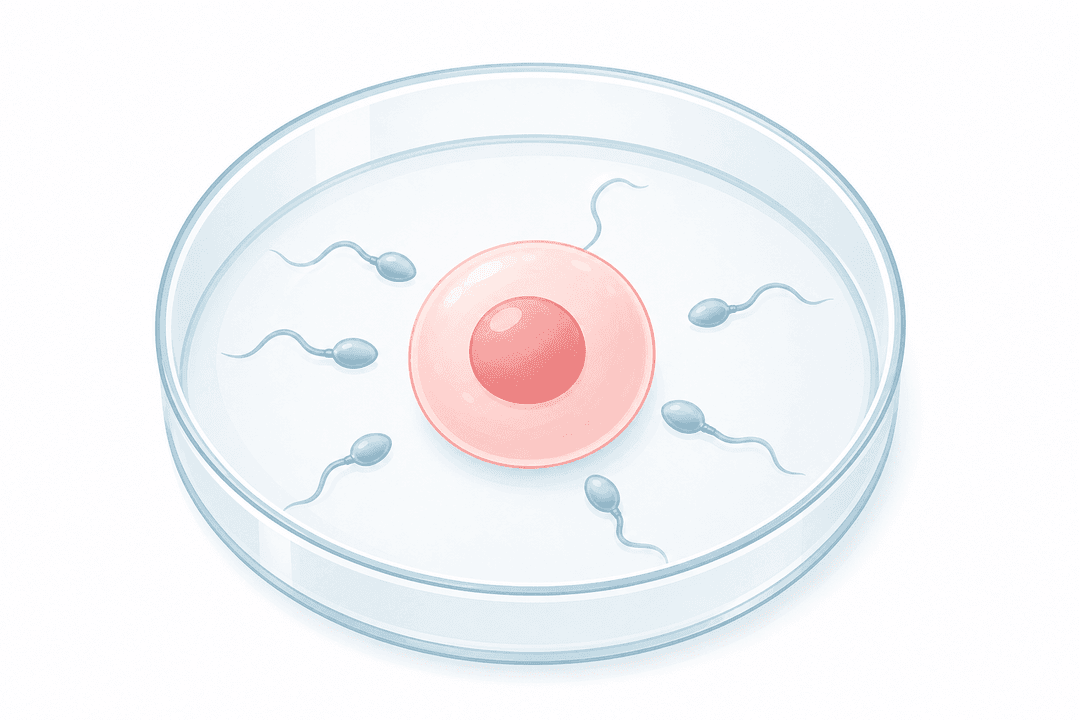
IVF
Start your journey to parenthood.
Estimated Cost
$3,500
Includes medications & monitoring.
Duration
2–3 Weeks / Cycle
Success Rate
60–70%
IVF in Thailand with Yapita Health

Thailand is ruling the fertility treatment scene in Southeast Asia with its high-quality clinics, experienced IVF specialists and success rates. Choosing IVF in Thailand comes with the following benefits:
World-class clinics with high success rates
Quick treatment starts due to minimum waiting time
English-speaking doctors and staff that bring patient comfort
Select the number of IVF cycles for an instant fertility treatment cost estimate.
IVF or In Vitro Fertilization is an assisted reproductive technology (ART) that has been around for close to four decades in Thailand. The process involves ovarian stimulation, egg retrieval, fertilization and embryo transfer which usually takes 3-4 weeks per cycle. IVF involves stimulating ovaries to produce multiple eggs, retrieving them and fertilizing them in a lab to create embryos which is then transferred to the uterus.
The following sections help you understand the process in Thailand completely and how Thailand provides exceptional results.
Thailand's healthcare system is one of the best in the world for IVF - it has strict medical standards for fertility treatments under the guidance of Royal Thai College of Obstetricians and Gynecologists.
Thai hospitals have international accreditations like JCI, ISO certifications which ensure global standards of safety, hygiene and quality care. Thailand has specialized fertility clinics focusing on reproductive treatments and University medical centers with advanced IVF options and research capabilities.
Some advanced assisted reproductive technology or ART in Thailand include:
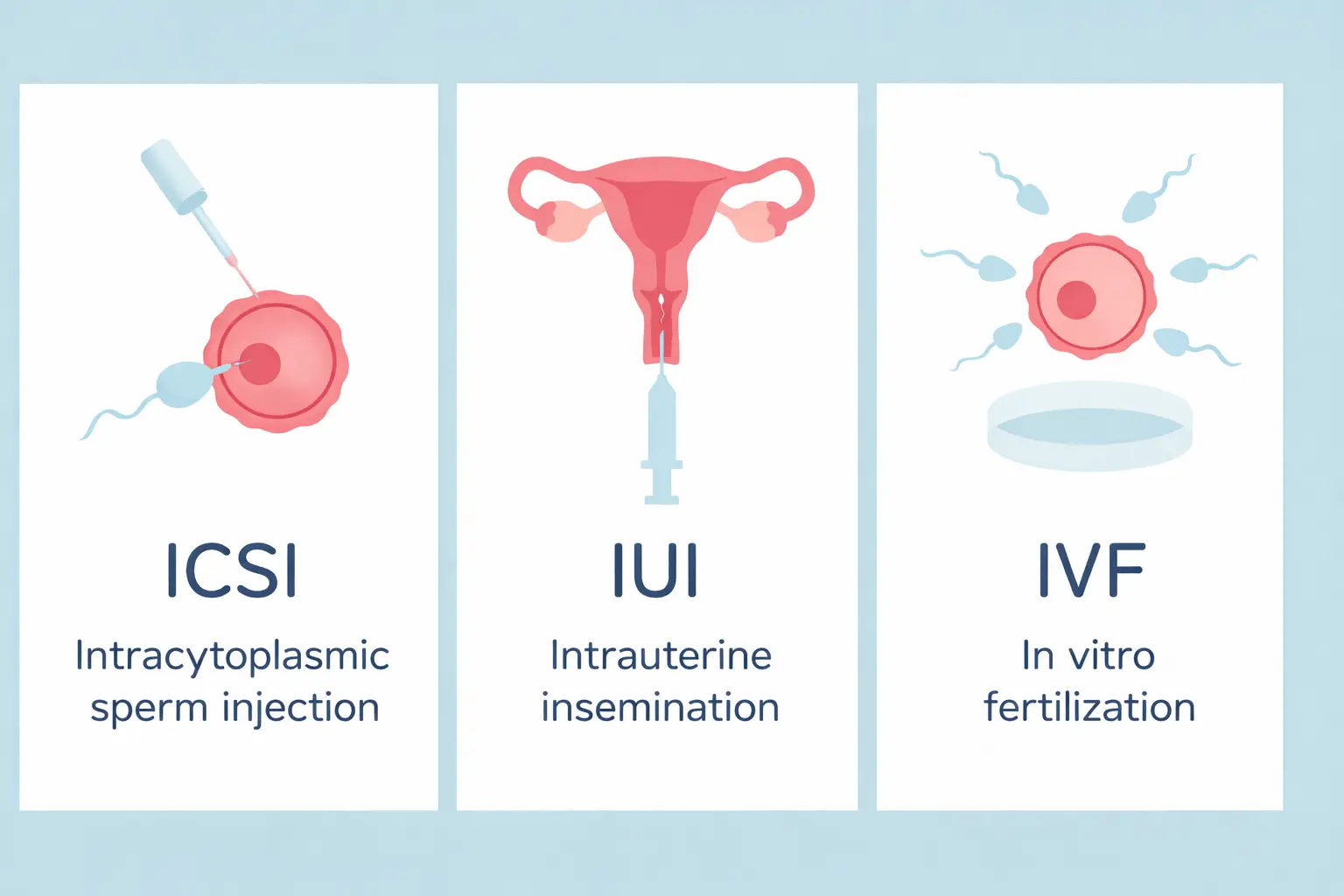
Popular Assisted Reproductive Technology available in Thailand
Day 1-3: Period starts, baseline scan and blood tests are done.
Day 2-12 (approx.): Ovarian stimulation with daily hormone injections and monitoring every few days.
Day 13-15: Egg retrieval under light anesthesia (day procedure).
Day 14-19: Fertilization and embryo culture in the lab (3-5 days).
Day 17-21: Embryo transfer (fresh cycle) and start of progesterone support.
10-14 days after transfer: Blood pregnancy test.
Thai laws restrict IVF treatment to legally married heterosexual couples which makes it a little difficult for single women and same-sex couples. Such hopeful parents go to nearby countries such as India.
Thai law protects the patients and ensures ethical practice exists for a sensitive process like IVF. Reputable clinics will require documentation and explain the legal requirements to you before beginning the treatment.
The following couples can find a solution to infertility with IVF in Thailand under Thai Law:
Heterosexual couples who are legally married, facing infertility challenges.
Couples facing ovulation disorders.
Women with advanced maternal age.
Those with a history of genetic disorders or miscarriages.
Those experiencing endometriosis or unexplained infertility.
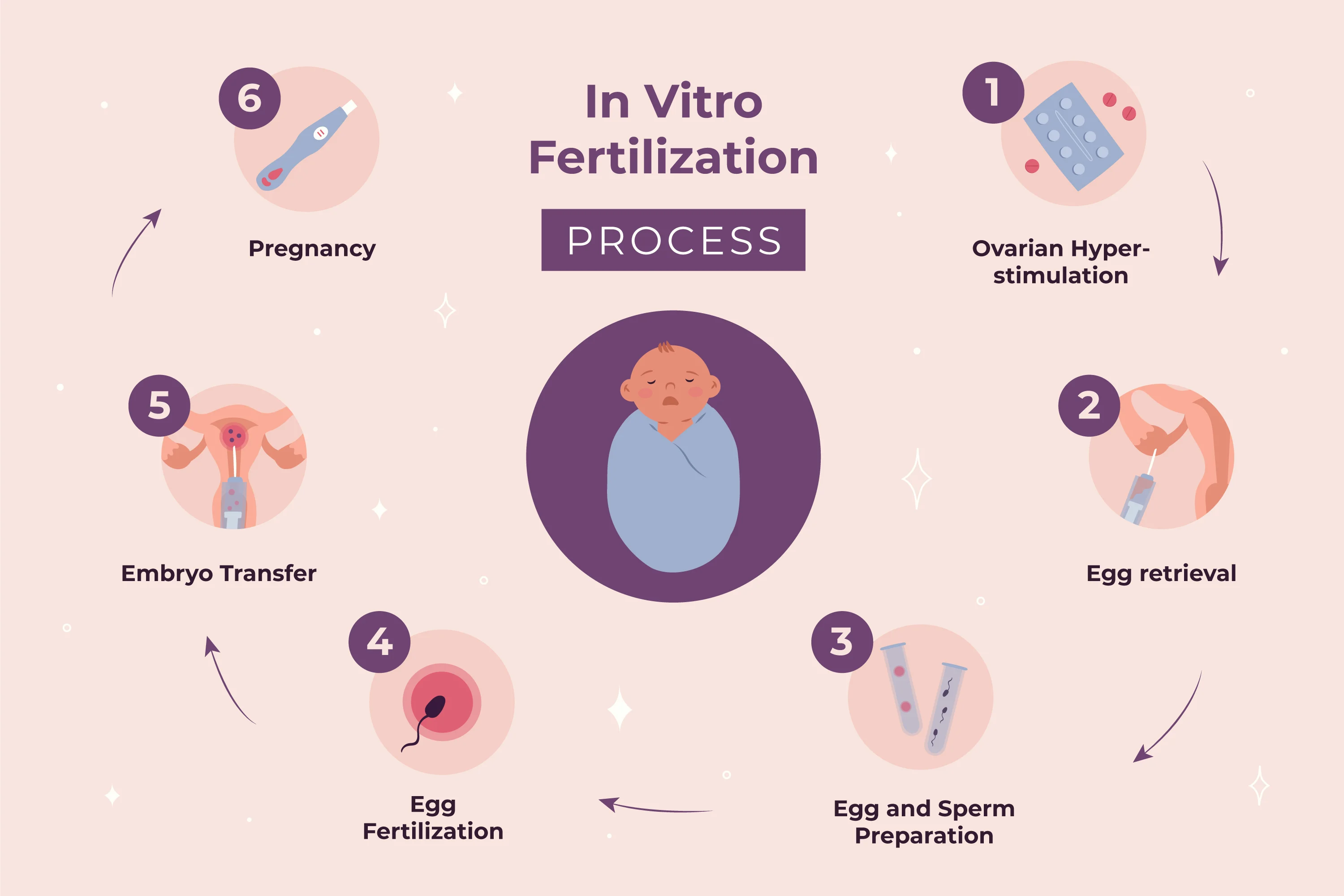
Process of IVF (popular infertility treatment options) (Credit)
Before IVF
Before starting the process, your doctor will conduct some tests to check how well the possibilities of IVF success. This will include blood tests, sperm analysis and ultrasound. This usually takes 1-2 days.
The medical assessments include:
Female tests: hormone profile, pelvic ultrasound, sometimes infection screening.
Male tests: semen analysis.
Review of medical history, prior pregnancies, or miscarriages.
Planning and coordination with the Thai IVF specialist where the choice of protocol is made. This also includes deciding on the travel dates, booking accommodation and confirming how long your stay would be.
During this stage, you may be asked to start birth-control pills or cycle regulation with lifestyle changes like limiting alcohol, stopping smoking, managing weight and chronic conditions (if any.)
IVF Procedure
Here's the step-by-step IVF process:
Step 1 - Ovarian stimulation
This includes daily hormone injections. This part is complete within 8-12 days.
Step 2 - Egg retrieval
Once the stimulated ovulation is complete, the egg retrieval begins. This is a 20-minute process which is done under sedation.
Step 3 - Egg & Sperm Preparation
The egg and sperm are prepared for fertilization. Good quality sperm and eggs are crucial for the next steps to be successful. The retrieved eggs are fertilized in a lab using different insemination methods like conventional or ICSI.
Step 4 - Fertilization
The fertilization process begins with either IVF or ICSI. The latter is usually done in case of male infertility. This entire process takes up to 2-3 weeks.
Step 5 - Embryo transfer
Once the fertilization is complete in the lab, the embryo transfer takes place. This is done by transferring the fertilized egg using a catheter within 5 minutes.
Step 6 - Pregnancy test
After 10-14 days of the transfer, a pregnancy test is conducted to confirm success.
After IVF
After the procedure, you will be required to continue medication to support successful results. The various stages of this phase include:
Luteal support: You take progesterone (pills, vaginal, or injections) to support the uterine lining.
Two-week wait: Avoid heavy lifting, intense exercise, and high stress; normal gentle activities are usually fine. Watch for unusual pain, heavy bleeding, or symptoms your clinic warns about.
Pregnancy test and early care: Blood test 10-14 days after embryo transfer. If positive, an early ultrasound (around 6-7 weeks of pregnancy) checks the heartbeat. If you’ve already flown home, your local doctor can do this with the report shared back to the Thai clinic.
The average cost of IVF in Thailand is around $4,000-$8,500 per cycle, with the cost varying depending on the IVF type.
Hospitals like Bumrungrad Hospital offer advanced techniques like sperm freezing for up to 3 tubes for 3 years which can be helpful in advanced age couples facing male factor infertility issues. It also offers "fresh IVF" which excludes OPU stimulating agents at $7,600.*
IUI in Thailand can cost ~ $1,500* with doctors like Dr. Poonkiat Punyamitr who are specialists in assisted reproductive technology. Similarly, ICSI in Thailand with Dr. Punyamitr can cost around $22,500*, which is nearly 80% lower than the cost in Western countries like the US/UK.
When opting for donor eggs, the cost can be around $6,000-$8,000.*
| Procedure | Per Cycle Cost (USD)* |
| ICSI | $550-$1,000 |
| PGT-A | $1,500-$3,000 |
| Embryo freezing & 1st-year storage | $550-$1,100 |
| Sperm retrieval (TESE/TESA) | $800-$1,500+ |
* Price verified at the time of updating the content. For accurate cost estimate get a consultation through Yapita Health.
The significant price difference in Thailand in comparison to the US/UK is mainly due to economic factors such as Thailand clinics operating on lower overheads (lower rent, skilled doctors & embryologists at lower salaries.)
The presence of medical tourism companies like Yapita Health in Thailand, makes it easier for clinics to offer attractive and competitive pricing for international patients.
|
Age group (woman) |
Typical IVF success rate in Thailand* |
|---|---|
|
Under 35 |
45-60% per cycle |
|
35-37 |
40-50% per cycle |
|
38-40 |
30-40% per cycle |
|
41-42 |
20-30% per cycle |
|
Over 42 |
10-20% per cycle |
* Note: The success rate varies by multiple factors like underlying condition, health of the eggs and sperm, embryo quality and protocol. Always consult your medical team for transparent success rate.
Typically women under 35 seek this treatment in Thailand as it offers IVF success rates of 45-60% with the help of advanced technology, internationally-trained Thai IVF surgeons and fertility specialists.
The high quality care in Thailand for IVF treatment ensures there is good success rates for hopeful parents coming here to start their journey to parenthood.
Thai fertility specialists receive training and certifications from the US, or UK. The international exposure brings the best clinical standards and protocols for IVF to Thailand, matching the quality in Western countries.
Verified clinics, transparent pricing, end-to-end concierge the proof, measured.
5,000+
Successful treatments placed
Real patients, real outcomes across hair, dental, cosmetic and IVF programs in 13+ countries since launch.
1,000+
Expert doctors
Board-certified specialists committed to quality care
20+
Countries covered
From Istanbul to São Paulo, on six continents.
98%
Patient satisfaction
Verified post-treatment reviews & follow ups.
400+
Partner hospitals
JCI and ISO-accredited facilities only.
100%
Verified clinics
On-site audits before any clinic ships traffic.
24/7
Patient support
Concierge in your language, every step of the way.
Yapita Health connects patients to the best healthcare options in Thailand - from the best IVF specialists to top clinics with proper safety standards in place. We bring:
JCI-accredited hospitals that provide advanced treatment options at affordable price,
Custom quote for their case,
Complete IVF treatment support including consultation, travel, medical visa, & transportation
You can get the best option as per your needs with just a click. Contact us today to get your personalized quote.
Share a few details and a Yapita Health coordinator will send you a vetted clinic shortlist and personalized quote within 24 hours.
Transparent pricing, no hidden fees. Every package includes the clinic stay, surgeon fee and aftercare.
Common questions about IVF Treatment in Thailand, answered by our care team.
One of the safest countries to get IVF treatment is India. India has some high success rate IVF clinics with international accreditation which ensures safety and highest standards.
You may have to take an injection daily for a period of 8 to 12 days. However, it depends on the patient's condition also. It would be best if you discuss this further with an expert doctor. Schedule your appointment today with our expert Embryologist.
If you are not opting for natural cycle IVF, then for fertilization, the lab collects eggs from a healthy young donor woman when egg stimulation is not possible in patient's case.
The donor eggs are then fertilized with sperm by the Embryologist in the laboratory. The fertilized eggs are then transferred to the uterus of the woman.
The embryologist fertilises eggs with sperm, both collected from an unknown donor. After fertilization, doctor implants one of the two fertilized eggs into the uterus. This has higher success rate for pregnancy.
If you are 30-35 years of age and have been planning to get pregnant for one year, then you should consult a doctor and take an opinion.
If you are 35-40, trying to get pregnant and it's been more than a year, then it is advisable to discuss your case with an expert IVF specialist.
At Yapita Health, we have a global team of expert fertility doctors, you can book an appointment with our doctors so that we guide you best to take the right decision.
The success rates of IVF treatment depend upon numerous factors and vary from case to case basis. At yapita health, we have a complete solution to all your fertility issues. Get in touch today with our expert doctors and take the right decision.
The risks of this treatment include:
Mild discomfort after the retrieval
Small chance of having twins
Low OHSS risk which requires careful monitoring
The benefits of this treatment include:
65% chance of success for women under 35
PGD/PGS testing - which are genetic tests that help identify genetic mutations or abnormalities.
Egg/sperm freezing
There are respective advantages of frozen vs fresh embryos with fresh embryo transfer suggested for women with low chance of IVF success. Embryo freezing has higher chance of survival and is suggested for women with higher chance of IVF success.
Expert guides and insights about IVF Treatment in Thailand to help you decide with confidence.

As per a report in 2024, the estimated rate of infertility was 15%. Like any other prevalence, this statistic takes into account factors such as growing trend of male infertility, hormonal disorders (severe in urban areas) and lack of access to treatments. If you and your partner are someone struggling due to the above factors, I have good news for you - India can bring assisted reproductive technologies to you, breaking down the financial barrier back home.

Navigating IVF can feel overwhelming, but you're not alone. Whether you're in New York or London, Berlin or Los Angeles, this guide breaks down everything you need to know - from choosing a clinic to managing costs - in a clear, supportive way.

In vitro fertilization (IVF) is one of the most widely used fertility treatments, helping millions of couples and individuals conceive when natural methods are unsuccessful. Whether due to medical conditions, age-related infertility, or other factors, IVF offers hope - but it also comes with complexities, emotional challenges, and financial considerations. The following sections cover everything you need to know about IVF, from how it works and what to expect to success rates, costs, and alternatives.
Are you considering IVF or freezing your eggs/sperms? Chances are your doctors have already given you the complete rundown for how it is all going to go. But it is natural to think which one will give you a higher chance of success? Will it be frozen or fresh embryos? Both methods are highly successful, but it depends on crucial factors such as age and lifestyle factors. The following sections will help you understand your IVF options with frozen vs. fresh embryos clearly. Helping you make an informed decision by the end of the blog.
Understand the factors affecting IVF success and failure. Learn how to increase success rates with a healthy lifestyle and expert guidance. Consult our IVF specialist for personalized treatment options.

Learn about the IVF treatment process, its purpose, and emotional well-being importance. Get expert advice and adopt a healthy lifestyle for successful outcomes with Yapitahealth