
Orthopedic
Move freely without pain.
Estimated Cost
$6,350
Knee replacement all inclusive.
Duration
5–10 Days
Recovery
6–12 Weeks
Get approximate cost for High Flex Knee Replacement in India

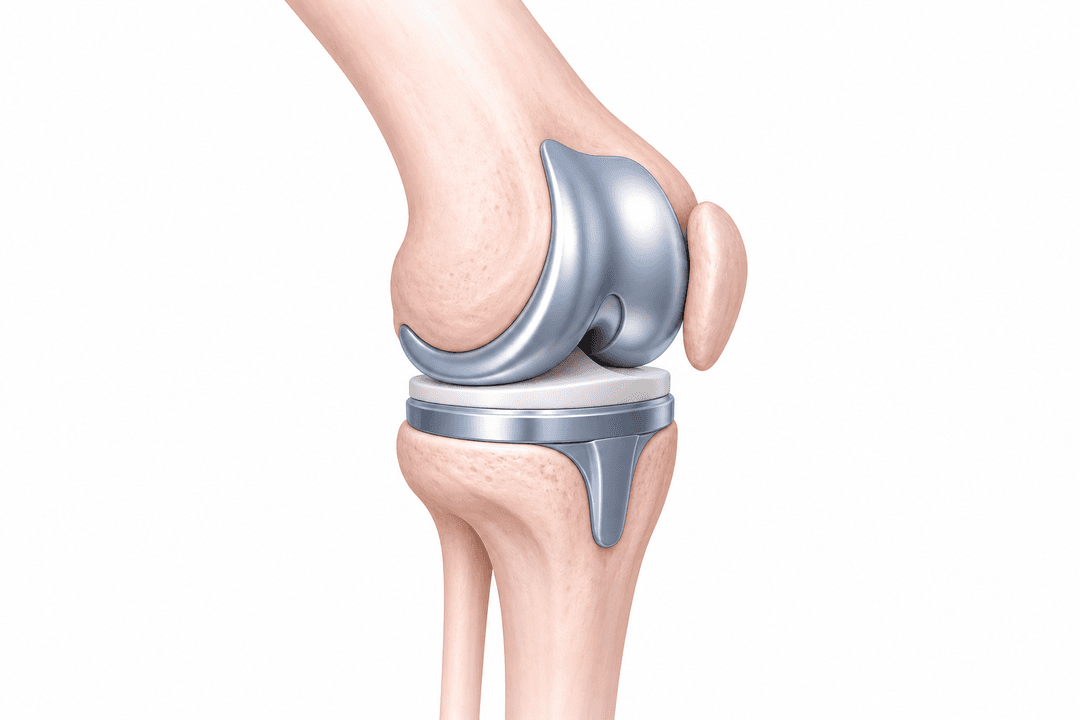
The Flex Fixed Knee replacement is the first knee specifically designed to safely accommodate flexibility of up to 155 degrees. Many activities of daily living require good range of motion, such as climbing stairs (75-140 degrees) and sitting in a chair (90-130 degrees).
Select a procedure for an instant estimate from leading JCI-accredited orthopedic centers.
High Flex Knee replacement surgery in Delhi- NCR is a popular choice for patients seeking affordable treatment options and access to highly skilled surgeons. The city has many hospitals and clinics that offer high-quality High Flex knee replacement surgeries for affordable prices.
The availability of a wide range of options ensures that patients can find a suitable facility that meets their specific needs. Additionally Delhi NCR is known for its advanced medical technology and innovative techniques utilized in High Flex knee replacement procedures, further adding to its appeal as a destination for this surgery.
Common indications of High Flex knee replacement include:
Active lifestyle: Patients who participate in activities that require a larger range of knee motion, such as dancing, cycling, or playing sports, may benefit from a high-flex knee replacement.
Occupational requirements: Individuals with physically demanding jobs that involve frequent squatting, kneeling, or bending may require a high-flex knee replacement to maintain their work capabilities.
Difficulty in kneeling or squatting: If a patient has difficulty kneeling or squatting due to knee pain or stiffness, a high-flex knee replacement can help restore these movements.
Previous ligament damage or deformity: Patients with previous ligament injuries or deformities of the knee joint may benefit from a high-flex knee replacement to improve their range of motion and function.
High Flex knee replacement can treat knee conditions such as Osteoarthritis, rheumatoid arthritis, post-traumatic arthritis, and deformities requiring increased range of motion.
Standard High-Flex Knee Replacement: This type of high-flex knee replacement includes components designed to allow for increased knee flexion, typically exceeding 120 degrees.
Gender-Specific High-Flex Knee Replacement: These knee replacements are designed with consideration for anatomical differences between male and female patients. They aim to provide improved fit and performance based on gender-specific characteristics.
Customized High-Flex Knee Replacement: Customized knee replacements are designed based on a patient's unique anatomy using advanced imaging techniques. This helps to ensure a more precise fit and potentially optimize the range of motion.
Rotating Platform High-Flex Knee Replacement: This type of knee replacement includes a rotating platform component that allows for slight rotation during knee movement. It can help reduce wear and tear on the implant over time.
The following are important requirements and evaluations while planning high-flex knee replacement surgery:
Medical evaluation: Your orthopedic surgeon will assess your overall health, medical history, current medications, and any underlying medical conditions that may affect the surgery or recovery process.
Knee examination: A thorough examination of your knee joint will be conducted to evaluate the extent of damage or deformity and determine the need for a high-flex knee replacement.
X-rays and imaging: X-rays, MRI scans, or other imaging tests may be performed to assess the condition of the knee joint, identify any abnormalities, and aid in planning the surgery.
Conservative treatments: Non-surgical treatments like physical therapy, medications, injections, or assistive devices may be attempted initially to alleviate symptoms and improve knee function. Failed non-surgical treatments may indicate the need for a high-flex knee replacement.
Range of motion assessment: Your knee's range of motion will be evaluated to determine if a high-flex knee replacement can provide additional mobility and flexibility beyond a traditional knee replacement.
Lifestyle considerations: Your surgeon will discuss your activity level, occupation requirements, and specific goals to determine if a high-flex knee replacement is appropriate for your lifestyle and functional needs.
Before the Procedure
Pre-operative evaluation: You will undergo a thorough examination, including medical history, physical examination, and diagnostic tests like X-rays or MRI scans to determine the need for high-flex knee replacement.
Preparing for surgery: Your surgeon will provide instructions on pre-operative preparations, such as fasting before the procedure and any necessary medications to stop or adjust before surgery.
Anesthesia: You will meet with an anesthesiologist to discuss the type of anesthesia to be used during the surgery. This may include general anesthesia or regional anesthesia (spinal or epidural).
After the Procedure
Incision: The surgical team makes an incision over the knee to access the joint. The size of the incision may vary depending on the surgical approach used (traditional or minimally invasive).
Joint preparation: The damaged or arthritic surfaces of the knee joint are removed, reshaped, and prepared to accommodate the high-flex knee replacement components.
Implant placement: The high-flex knee replacement components (implant) are carefully positioned and secured to the bones using bone cement or press-fit techniques.
Wound closure: The incision is closed with sutures or staples, and a sterile dressing is applied.
What kind of follow-up care will I have during recovery?
Take medications on time and carry regular follow-ups.. In case of any discomfort, contact your healthcare provider immediately.
Benefits:
High-flex knee replacement provides an increased range of motion, allowing for activities like kneeling, squatting, and climbing stairs that may be limited with traditional knee replacements. This can improve quality of life and functional outcomes. High-flex knee replacements can also lead to improved patient satisfaction and a faster return to normal activities.
Risks:
Like any surgical procedure, there are risks involved, including infection, blood clots, nerve or blood vessel injury, implant loosening, and allergic reactions to anesthesia or materials used. Additionally, the long-term durability and performance of high-flex knee replacements are still being studied, and some studies have raised concerns about potential complications such as early wear or dislocation.
According to a rehabilitation timeline for total knee replacement surgery, the recovery after knee surgery typically lasts about 12 weeks. However, many individuals may be able to walk without an assistive device after 3 weeks and drive after 4-6 weeks. It is important to note that individual recovery times may vary based on factors such as overall health, adherence to rehabilitation exercises, and complications that may arise during the recovery process.
Verified clinics, transparent pricing, end-to-end concierge the proof, measured.
5,000+
Successful treatments placed
Real patients, real outcomes across hair, dental, cosmetic and IVF programs in 13+ countries since launch.
1,000+
Expert doctors
Board-certified specialists committed to quality care
20+
Countries covered
From Istanbul to São Paulo, on six continents.
98%
Patient satisfaction
Verified post-treatment reviews & follow ups.
400+
Partner hospitals
JCI and ISO-accredited facilities only.
100%
Verified clinics
On-site audits before any clinic ships traffic.
24/7
Patient support
Concierge in your language, every step of the way.
At Yapita Health, we have a team of world-class Orthopedic surgeons who have years of experience in performing high flex knee replacement surgeries. Our doctors are thorough with the latest tools and techniques and are pioneering robotic knee surgeries globally. Every year, thousands of patients prefer to visit Yapita Health for knee replacement surgeries relative to its success and affordability. We have delivered surgeries with the highest success rates worldwide and continue to expand our healthcare services in 20+ countries. If you have any concerns, feel free to reach out.
Share a few details and a Yapita Health coordinator will send you a vetted clinic shortlist and personalized quote within 24 hours.
Common questions about High Flex knee replacement in Delhi NCR, answered by our care team.
Indications: It is performed to address severe arthritis, joint degeneration, or injury causing pain and restricted mobility in the knee. High-flex implants are designed to allow for a greater range of knee motion.
Increased Range of Motion: High Flex implants are designed to allow for a greater range of motion, particularly in activities that require deep knee bending.
Enhanced Flexibility: The primary benefit is improved flexibility, allowing patients to perform activities like kneeling, squatting, and sitting more comfortably.
Candidates: Individuals with severe knee pain and limited mobility due to arthritis or joint degeneration who desire increased flexibility may be candidates for High Flex Knee Replacement.
Surgical Process: The damaged knee joint is removed, and the artificial implant with high flex capabilities is securely placed, allowing for improved bending and flexion.
Postoperative Care: Recovery includes physical therapy to regain strength and mobility. Patients are usually encouraged to engage in specific exercises to optimize the benefits of the high-flex implant.
Possible Risks: While generally safe, there are potential risks such as infection, blood clots, or implant issues. The surgeon will discuss these risks during preoperative consultations.
Recovery Time: The recovery period varies, but patients typically start walking with assistance shortly after surgery and progressively regain strength and mobility over weeks to months.
Expert guides and insights about High Flex knee replacement in Delhi NCR to help you decide with confidence.

Robotic joint replacement in India is an advanced option that helps resolve joint issues like knock knees, hip, or mobility issues. Fortis Delhi is one of the best hospitals in India offering this sophisticated procedure - Yapita brings the complete information for you to get the treatment. Learn all about the cost and the types available here.

We are back with the latest edition of #ExpertSpeaks and we had the opportunity to discuss orthopedics with the best orthopedic surgeon in India, Dr. Ramkinkar Jha from artemis Hospital, Gurgaon. From latest innovation to everything in between, Dr. Jha shared his insights on the development in orthopedics care. Dr. Ramkinkar Jha has over two decades of experience and is the chief and unit head of the orthopedics department a Artemis Hospital.

That nagging pain in your back may have been here for years, if not months. You have tried everything - from injections, physical therapy to rest - but with no complete relief. The idea of surgery feels overwhelming, so you are delaying it. Just a little longer, you tell yourself. But this little longer can cost you far more than what you realize. Not just in discomfort, but in health impact, livelihood and peace of mind. The following sections are more than just rushing into surgery, it is about making an informed decision after understanding the full spectrum.

Limb lengthening surgery is a surgical procedure that increases the length of bones in the legs (femur or tibia) to treat discrepancies or, in some cases, for cosmetic height enhancement. The process involves carefully cutting the bone and slowly stretching it over time, allowing new bone tissue to form in the gap. This procedure was originally developed to treat conditions like dwarfism, congenital deformities, or injuries causing uneven leg lengths. However, it has recently gained popularity among healthy adults seeking a taller stature.

When we think of bone cancer, most people picture unbearable pain or visible lumps. The truth is, bone cancer often whispers before it roars. Most articles you come across, list the general bone cancer symptoms such as pain and swelling without explaining crucial things. For example, how would someone distinguish everyday pain from cancer-related discomfort? We'll explore the unspoken, misunderstood and rarely discussed symptoms that patients often experience before their diagnosis.

Hip arthroplasty which you may know as hip replacement surgery is one of the most effective ways to replace damaged bone and cartilage from your hip. This may be due to osteoarthritis or an injury - it is important to know the cause to determine the success. Other factors to keep in mind include - surgeon s expertise, your health and determination to stick to the post-op care. For patients with advanced hip joint damage such as above, replacing the bone or cartilage through this surgery improves mobility and reduces pain. The outcomes are usually positive with experienced surgeons.