
1
Pre vetted clinics & surgeons
We audit accreditation, credentials, patient reviews and on-site facility inspections so you only compare clinics worth your trust.
Get approximate treatment for Bone Marrow Transplant

Bone marrow is the spongy tissue present in the cavity of our bones. It is the production house for all types of blood cells. A bone marrow transplant is required when the bone marrow stem cells are damaged and destroyed by cancers or autoimmune diseases. The bone marrow transplant donor can be a sibling or a close family member of the patient with a genetic match. Umbilical stem cells can also be used in some cases for the transplant.
Share a few details and receive a personalized quote from our medical coordinators within 24 hours no obligation.
In bone marrow transplant or stem cell transplant, healthy blood-forming stem cells replace damaged bone marrow that cannot produce enough healthy blood cells.
Bone marrow plays a crucial role in immunity. With damaged bone marrow, the body’s immune system becomes weak and it increases the patient's risk of infections. Bone marrow transplant is recommended when bone marrow lacks stem cell production.
The indications of bone marrow transplant are:
Immune deficiency/Severely Combined Immunodeficiency Syndrome
Congenital neutropenia
Aplastic anemia
Thalassemia
Inborn errors of metabolism
Leukemia
Multiple myeloma
Lymphoma
Hodgkin’s Lymphoma
Non-Hodgkin’s Lymphoma
Sickle Cell Disease
Patients are explained thoroughly regarding Bone marrow transplant including the evaluation process, treatment side effects, cost of treatment, and associated complications.
Requirements and evaluation of bone marrow transplant involve a physical examination, laboratory investigations and other tests are performed including HLA typing,
Bone marrow aspirate & biopsy, EKG, Pulmonary function test, PET scan, X-rays, biopsy, Central venous line placement (catheter placement), 24-hour urine collection, and Psychosocial evaluation
Preparing for your Transplant includes:
Finding accommodation in a hotel because patients for autologous transplants need to stay for 30 days locally and allogenic transplant patients need to stay for 100 days.
Central Line/Catheter Placement: This is an outpatient procedure that facilitates the infusion of cells, blood products, and IV medicines.
Consultations with members of the Transplant Team
Auto means self. In this type of BMT, stem cells are used from your own body. Before starting cancer treatment, doctors remove stem cells from your blood or bone marrow.
Allo means “other.” Stem cells are collected from healthy donors. Brothers, sisters, Parents, children and other relatives can be a good match. Special tests are performed to determine a good match.
Allogenic BMT is of 3 types:
Complete Matched Sibling Donor BMT: The donor is likely to be the brother or sister of the patient.
Haplo-identical BMT: Parents are donors.
Unrelated Donor BMT: The donor is unrelated to the patient.
Before the Procedure
Evaluation of the general health of the patient. The doctor confirms if you are a suitable candidate for BMT.
Bone marrow examination is completed and evaluated.
Before transplant patients are instructed to stay away from sick people. It is advisable to maintain good hygiene.
Conditioning Process: Chemotherapy, radiotherapy or both are carried out before BMT to eliminate cancer or diseased cells.
Mini transplant or reduced-intensity therapy means chemotherapy and radiation in smaller doses while myeloablative or ablative therapy means high doses of radiation, chemotherapy, or combination. The conditioning method suppresses the immune system and destroys cancerous cells.
In autologous transplant- the patient's own stem cells are collected and stored before conditioning.
In an allogenic transplant - compatibility with the donor is matched.
The intravenous catheter or central line is implanted into a large vein of the chest or neck. This is used to infuse the transplanted stem cells, medications, and blood products into your body.
A blood test is to identify the patient's tissue type.
Donor registries are searched to find out unrelated donors if a good match cannot be found among the patient's family members.
Donors are assessed to determine if they are a good candidate. The examinations are physical examination, imaging, and blood investigations.
On obtaining consent from the donor, procedures like bone marrow extraction, and peripheral blood stem cell collection, are carried out.
The process takes weeks or months.
Donors are explained about possible side effects and duration of recovery.
Autologous: Patients blood is collected and put through a machine. This separates the stem cells during apheresis. The patient's body receives the leftover blood back. The stem cells are frozen and stored until BMT.
Allogenic: A medication is injected into the donor that stimulates the release of stem cells into the bloodstream followed by Apheresis for stem cell extraction from the donor's blood.
The patient receives the stem cells through an IV tube through transplantation. These stem cells start producing new blood cells. The patient is carefully monitored for weeks or months.
Some side effects are nausea, vomiting, diarrhea, fever, and infection.
After the Procedure
The patient needs to remain in the hospital for several weeks or months. Medications are given to monitor side effects and stop the transplanted cells from being rejected.
What kind of follow-up care will I have during recovery?
Important instructions include avoiding contact with sick people, proper hygiene, and taking regular medications on time.
Minor complications are an impaired taste sensation, nausea, vomiting, diarrhea, headache, low blood pressure, and fever. Other serious complications are GVHD, anemia, mucositis, etc.
Recovery takes a long time. To ensure proper recovery, It is important to take regular follow-ups, timely medications, and follow all instructions given by the doctor.
At Yapita Health, we are committed to providing high-quality and personalized care for Bone Marrow transplantation. Our team of skilled ophthalmologists and specialized medical professionals will provide that you receive top-level treatment and support throughout your journey.
Hundreds of clinics across 20+ countries. One coordinator who narrows it down to the right two or three, transparently, and runs the whole trip for you.
We audit accreditation, credentials, patient reviews and on-site facility inspections so you only compare clinics worth your trust.
Detailed cost breakdowns with no hidden fees, plus preferential partner rates typically 10–15% below booking directly.
Visa guidance, flights, airport pickup, hotel, clinic coordination and 12 month post-op check-ins managed by one dedicated coordinator.
Share a few details and a Yapita Health coordinator will send you a vetted clinic shortlist and personalized quote within 24 hours.
Transparent pricing, no hidden fees. Every package includes the clinic stay, surgeon fee and aftercare.
Common questions about Bone Marrow Transplant, answered by our care team.
Start the treatment as soon as the diagnosis is made. You can take a second opinion and ensure the best treatment planning. Do not delay the treatment.
The doctor thoroughly performs physical examinations and other pre-transplant procedures to ensure that the patient is fit for BMT.
It takes time to recover. Doctors closely monitor a patient's health after a bone marrow transplant for an increase in blood cell count and discomfort. you might experience. It may take time to resume your normal daily activities. As you recover, you can slowly increase your physical activity.
Get regular check-ups, maintain a healthy weight, and consult a dietician to make ideal food choices.
You should consult your doctor for a second opinion based on medical conditions and reports.
A donor could be your relative, friend, parents, or some unrelated to you like from bone marrow registries.
Expert guides and insights about Bone Marrow Transplant to help you decide with confidence.

Stem cell therapy has been a transformational treatment option for the past decade with success in cases like lymphoma, orthopedics, and neurology. Patients around the world are seeking advanced treatment options at clinics that balance quality, cost and safety. Where can one find it? The following sections explore just that for you and help you with the best options for stem cell treatment around the world.
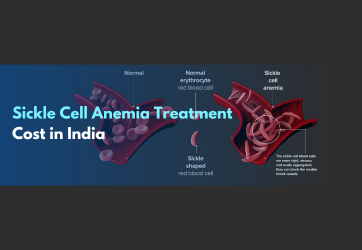
Sickle cell anemia is a serious blood disorder that can have severe implications over time - from organ damage to blockage of blood flow which can caue stroke, high blood pressure in the lungs, vision problems and delayed growth/puberty. This blog talks about the treatment options available in India and its cost.
India is one of the best destinations for Bone marrow transplant due to its experienced surgeons and accredited hospitals that bring successful results for patients. This blog features the best doctors in India for bone marrow transplant associated with internationally accredited hospitals. They are highly sought-after by international and Indian patients.
India is home to some of the best hematologists who help diagnose, treat and manage minor to complex blood disorders affecting one's blood, bone marrow or the lymphatic system. They also treat conditions like sickle cell disease, clotting issues or blood cancers like leukemia, myeloma and lymphoma. Yapita brings the latest list of the best hematologists in India.
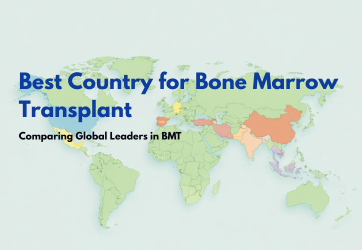
When looking for the best countries providing high quality bone marrow transplant, it is important to consider the options that are present. Yapita brings this comparative guide to you with a look into factors that make each country (we've picked 7 for you) a good option. This regenerative treatment proves to be significantly helpful in chronic conditions like blood cancers. Read on to know which countries can be a safe and reliable option.
The management of Thalassemia is a serious concern among parents due to the complexity of the treatment. This genetic blood disorder affects the production of hemoglobin, which leads to chronic anemia and other health complications in children. Parents and caregivers frequently ask if there is a thalassemia cure? Yes, there is, bone marrow transplant is one of the long-term solutions for this condition among other viable options.