
5,000+
Successful treatments placed
Real patients, real outcomes across hair, dental, cosmetic and IVF programs in 13+ countries since launch.
+4,995 happy travellers
Get approximate cost for Bone Marrow Transplant in India

A bone marrow transplant, also known as a hematopoietic stem cell transplant (HSCT), is. a procedure to treat blood-related cancer or blood cell-related diseases like Leukemia, Multiple myeloma, etc. The bone marrow is the spongy tissue inside our bones that is responsible for producing various blood cells, including red blood cells, white blood cells, and platelets. The Bone Marrow Transplant (BMT) involves replacing existing damaged bone marrow with a healthy stem cell/marrow obtained from a donor mostly from their closest family members.
Share a few details and receive a personalized quote from our medical coordinators within 24 hours no obligation.
Visiting many hospitals in Tanzania and talking to the medical personnel who will offer the best care and attend to your specific needs during the process of looking for a bone marrow transplant.
Bone marrow transplantation is a rather complex but life-saving process that can be used for the treatment of many diseases like leukemia and lymphoma, aplastic anemia, immune deficiency disorders, and congenital disorders among others. The surgical way is to remove the bad bone marrow and replace it with healthy stem cells of the blood-forming kind.
Bone Marrow Transplant- The stem cell transplant, another term for bone marrow transplant, is a process where healthy blood-forming stem cells replace the damaged bone marrow that fails to produce adequate healthy blood cells.
The bone marrow's function is to keep immunity. The dysfunctioned bone marrow results in the patient having an immunocompromised status that makes the patient susceptible to infections. The bone marrow may often stop producing enough stem cells when the blood counts are low, and it is usually recommended to carry out a transplant.
Autologous bone marrow transplantation: Auto means "self." This type of BMT makes use of stem cells from your own body. Before beginning most cancer treatments, doctors collect stem cells from your blood or bone marrow.
Allogenic bone marrow transplantation: Allo takes a different strategy, receiving stem cells from healthy donors. Brothers, sisters, parents, children, and other relatives could make suitable pairings. Special checks are employed to determine an excellent match.
Allogenic BMT is of three types: Completely Matched Sibling Donor BMT: The donor is most likely to be the patient's brother or sister. Haplo-identical BMT: The parents are the donors. Unrelated Donor BMT: The donor is not related to the affected person.
Want to know about the BMT procedures of Tanzania and other countries in detail? Here is a brief explanation:
Tanzania:
In Tanzania, BMT is a process that involves patients’ and donors’ willingness, and pre-transplant investigations. The use of the latest medical equipment and well-trained specialists is necessary to be sure that the procedure is performed in the right way. Post-transplant care, the patient must follow an infection control protocol, use immunosuppressive medications, and have daily check-ups. The healthcare system of Tanzania allows for BMT services to be performed at internationally recognized hospitals, thus making the treatment choice more available and of higher quality for BMT patients worldwide.
India:
In India, a person undergoing BMT (bone marrow transplant) is subjected to a lot of investigations that involve the evaluation of the sick person, donor selection, a pre-transplant workup, and a preparatory regimen. The best medical professionals are equipped with modern equipment and the latest generations. The post-transplant care will involve antigen avoidance, immunosuppressive medication, and long-term follow-up. India gives BMT at the approved facilities which are Wockhardt and Max Facilities Group at low prices, making it affordable both to domestic and international patients who look for high-quality treatments.
United Kingdom (UK):
In the UK, BMT is performed after a detailed analysis of a patient, finding a matching donor, and a preparatory procedure. The part of the plan that is played by the sophisticated medical facilities and clinical firms is particularly crucial to the strategy's success. The post-transplant care involves infection prevention, immunosuppressive therapy, and lifelong monitoring. The UK National Health Service (NHS) delivers BMT services, and professional websites are available throughout the UK; patients are thus given the best and easiest treatment options.
The United Arab Emirates (UAE):
BMT is done in the UAE after the donor is picked, the donor’s preference is considered, and the donor is prepared. The top medical centers of Dubai and Abu Dhabi with advanced technology and qualified professionals will guarantee the best outcomes. Post-transplant therapy is a mixture of medical care, immune suppressants, and routine monitoring. Around the UAE, patients in search of BMT services have access to many specialist hospitals and research centers, which offer a variety of treatment options to both local and international patients seeking high-quality hospitals.
Sali International Hospital.
SANITAS Hospital Tanzania.
CCBRT Hospital, Tanzania
Ocean Road Cancer Institute, Tanzania
AB Hospital, Tanzania
The indications for bone marrow transplantation include: Indications for bone marrow transplants include:
Immuno-deficiency or severe combined immunodeficiency syndrome, also known as SCID.
Congenital neutropenia
Anaplastic anemia.
Thalassemia
Inborn metabolic errors.
Leukemia
Multiple myeloma
Lymphoma
Hodgkin's Lymphoma
Non-Hodgkin's Lymphoma.
Sickle Cell disease.
Patients are given detailed information on the bone marrow transplant evaluation process, treatment side effects, total cost of treatment, and other issues.
The requirements and evaluation of bone marrow transplants include a physical examination, laboratory investigations, and other procedures, including HLA typing.
Bone marrow aspiration and biopsy, EKG, 24-hour urine collection, pulmonary function test, PET scan, central venous line installation (catheter placement), x-rays, biopsy, and psychosocial evaluation.
Preparation: The patient, in turn, is treated with either chemotherapy or radiation to eradicate the modern bone marrow cells.
Donor Selection: In healthy stem cell transplantation, the donor or the donor’s marrow is matched with the patient.
Investing stem cells: The collected stem cells are pushed into the patient's blood circulation through a vein.
Engraftment: The stem cells transplanted into the bone marrow start to develop, which in the end can produce new blood cells.
Monitoring: To prevent medical complications from emerging, the patient is always under close supervision for infection and transplant failure.
Medications: With the help of drugs, it is possible to prevent the rejection of transplant or graft loss rather than to prevent disease.
Blood states the affected person's tissue sort.
If no perfect match exists for some of the affected person's family members, donor databases are searched for unrelated donors.
Donors are screened to determine if they are suitable candidates. The opinions include a physical examination, imaging, and blood tests.
After acquiring the donor's permission, methods such as bone marrow extraction and peripheral blood stem cell harvest are carried out.
Donors are educated about the capacity's negative consequences and the length of recovery.
Minor symptoms may include altered taste sensitivity, nausea, vomiting, diarrhea, headache, low blood pressure, and fever. Other serious complications include GVHD, anemia, and mucositis.
It is hard to predict how long the recovery period will be for a patient. The duration of the process is affected by the patient’s health, the complications, and the type of transplant. Normally, patients stay in the hospital for 3-4 weeks to 3 months after the transplant for follow-up and supportive care. The period of recovery from a traumatic brain injury may last for several months to a year or even much longer.
Yapita Health Company is offering Bone Marrow Transplant in Tanzania in collaboration with its partners. Benefit from executive travel assistance, free online consultation, 24/7 logistical support, and low-price treatment packages. Experience superior healthcare and complete services for Bone Marrow Transplant at this place.
There is a form available for you to fill up at the top of this page, and you can start your treatment journey with Yapita Health now.
Verified clinics, transparent pricing, end-to-end concierge the proof, measured.
5,000+
Successful treatments placed
Real patients, real outcomes across hair, dental, cosmetic and IVF programs in 13+ countries since launch.
1,000+
Expert doctors
Board-certified specialists committed to quality care
20+
Countries covered
From Istanbul to São Paulo, on six continents.
98%
Patient satisfaction
Verified post-treatment reviews & follow ups.
400+
Partner hospitals
JCI and ISO-accredited facilities only.
100%
Verified clinics
On-site audits before any clinic ships traffic.
24/7
Patient support
Concierge in your language, every step of the way.
At Yapita Health, we are committed to providing high-quality and personalized care for Bone Marrow transplantation. Our team of skilled ophthalmologists and specialized medical professionals will provide that you receive top-level treatment and support throughout your journey.
Share a few details and a Yapita Health coordinator will send you a vetted clinic shortlist and personalized quote within 24 hours.
Transparent pricing, no hidden fees. Every package includes the clinic stay, surgeon fee and aftercare.
Common questions about Bone Marrow Transplant in Tanzania, answered by our care team.
Start the treatment as soon as the diagnosis is made. You can take a second opinion and ensure the best treatment planning. Do not delay the treatment.
The doctor thoroughly performs physical examinations and other pre-transplant procedures to ensure that the patient is fit for BMT.
It takes time to recover. Doctors closely monitor a patient's health after a bone marrow transplant for an increase in blood cell count and discomfort. you might experience. It may take time to resume your normal daily activities. As you recover, you can slowly increase your physical activity.
Get regular check-ups, maintain a healthy weight, and consult a dietician to make ideal food choices.
You should consult your doctor for a second opinion based on medical conditions and reports.
A donor could be your relative, friend, parents, or some unrelated to you like from bone marrow registries.
Expert guides and insights about Bone Marrow Transplant in Tanzania to help you decide with confidence.

Stem cell therapy has been a transformational treatment option for the past decade with success in cases like lymphoma, orthopedics, and neurology. Patients around the world are seeking advanced treatment options at clinics that balance quality, cost and safety. Where can one find it? The following sections explore just that for you and help you with the best options for stem cell treatment around the world.
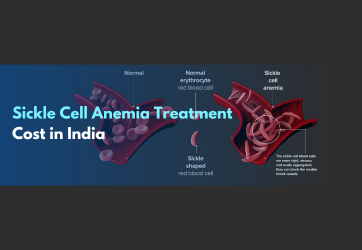
Sickle cell anemia is a serious blood disorder that can have severe implications over time - from organ damage to blockage of blood flow which can caue stroke, high blood pressure in the lungs, vision problems and delayed growth/puberty. This blog talks about the treatment options available in India and its cost.
India is one of the best destinations for Bone marrow transplant due to its experienced surgeons and accredited hospitals that bring successful results for patients. This blog features the best doctors in India for bone marrow transplant associated with internationally accredited hospitals. They are highly sought-after by international and Indian patients.
India is home to some of the best hematologists who help diagnose, treat and manage minor to complex blood disorders affecting one's blood, bone marrow or the lymphatic system. They also treat conditions like sickle cell disease, clotting issues or blood cancers like leukemia, myeloma and lymphoma. Yapita brings the latest list of the best hematologists in India.
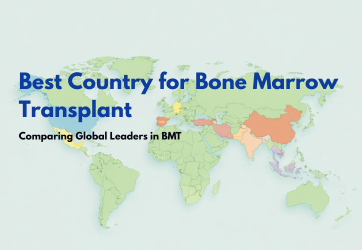
When looking for the best countries providing high quality bone marrow transplant, it is important to consider the options that are present. Yapita brings this comparative guide to you with a look into factors that make each country (we've picked 7 for you) a good option. This regenerative treatment proves to be significantly helpful in chronic conditions like blood cancers. Read on to know which countries can be a safe and reliable option.
The management of Thalassemia is a serious concern among parents due to the complexity of the treatment. This genetic blood disorder affects the production of hemoglobin, which leads to chronic anemia and other health complications in children. Parents and caregivers frequently ask if there is a thalassemia cure? Yes, there is, bone marrow transplant is one of the long-term solutions for this condition among other viable options.