
1
Pre vetted clinics & surgeons
We audit accreditation, credentials, patient reviews and on-site facility inspections so you only compare clinics worth your trust.
Liver Transplant at YapitaHealth

When a person is suffering from an advanced-stage liver cirrhosis or liver cancer then a liver transplant is the only solution for survival. Liver transplant surgery aims to replace the damaged liver of the patient with a healthy liver from a deceased person. Living relatives can also become liver donors for the patient. A part of the liver is taken from the relatives to be transplanted in the patient. The liver is a regenerative organ and can regenerate itself after the transplant.
Share a few details and receive a personalized quote from our medical coordinators within 24 hours no obligation.
A liver transplant is a surgical procedure that involves replacing a diseased or damaged liver with a healthy liver from a deceased or living donor. It is considered a life-saving procedure for individuals with end-stage liver disease or acute liver failure.
A liver transplant may be necessary for individuals who have end-stage liver disease, which occurs when the liver is severely damaged and can no longer function properly. This can be caused by conditions such as cirrhosis, hepatitis B or C, alcohol-related liver disease, or certain genetic or metabolic disorders. Acute liver failure, which is a rapid loss of liver function, may also require a liver transplant.
Liver transplantation can treat a variety of liver-related conditions, including:
Cirrhosis
Biliary atresia
Hepatitis B and C
Alcoholic liver disease
Metabolic liver diseases
Primary biliary cholangitis
Primary sclerosing cholangitis
Liver cancer (Hepatocellular carcinoma)
Patients who are potential candidates for a liver transplant undergo a thorough evaluation to determine their eligibility. The evaluation process includes a medical history review, physical examination, blood tests, imaging studies, and sometimes a liver biopsy. The evaluation helps determine the severity of liver disease, overall health, and the likelihood of transplant success.
There are two main types of liver transplants:
Deceased Donor Liver Transplant: In this procedure, a healthy liver from a deceased donor is removed and transplanted into the recipient. The donor liver is matched to the recipient based on blood type, body size, and severity of liver disease.
Living Donor Liver Transplant: In this procedure, a segment of the liver from a living donor, such as a family member or close friend, is transplanted into the recipient. The remaining liver in both the donor and recipient regenerates over time.
A liver transplant surgery in India typically involves the following steps:
Anesthesia: The patient is given general anesthesia to ensure they are asleep and pain-free during the procedure.
Incision: The surgeon makes an incision in the upper abdomen to access the liver.
Liver Removal: The patient's diseased liver is carefully removed.
Transplantation: The donor liver is implanted and connected to the patient's blood vessels and bile ducts.
Closing the Incision: The surgeon closes the incision with sutures or staples.
Before a liver transplant, the patient will undergo comprehensive pre-transplant workup and preparation. This includes medical evaluations, tests, and consultations to ensure a suitable donor is found, and to assess the patient's overall health and readiness for the transplant.
Following a liver transplant, the patient will be closely monitored in the intensive care unit (ICU) and then on a transplant unit. They will be given immunosuppressant medications to prevent organ rejection. Regular follow-up visits will be necessary to monitor the graft's function, adjust medications, and address any potential complications.
During the recovery process, regular follow-up visits will be required to monitor the patient's progress. These visits may involve blood tests, imaging studies, and consultations with the transplant team. Adjustments to medication dosages and potential changes in lifestyle may also be recommended to support the ongoing health of the transplanted liver.
As with any major surgical procedure, a liver transplant carries both risks and benefits. The benefits include the potential for improved quality of life and increased lifespan for patients with end-stage liver disease. However, there are potential risks and complications, such as organ rejection, infection, bleeding, and side effects from immunosuppressant medications. The risks and benefits should be carefully considered and discussed with the transplant team.
Some possible risks or complications of liver transplant surgery include:
Organ rejection
Infection
Bleeding
Bile duct complications
Blood clots
Donor complications (for living donor transplants)
The transplant team will closely monitor the patient for any potential complications and take appropriate measures to manage and address them.
The recovery period after a liver transplant varies between individuals, but it generally takes several months to return to normal life. During this time, patients will need to take medications as prescribed, attend regular follow-up visits, and make lifestyle adjustments as recommended by their transplant team. It is important to follow all post-operative instructions and guidelines to ensure a successful recovery.
Hundreds of clinics across 20+ countries. One coordinator who narrows it down to the right two or three, transparently, and runs the whole trip for you.
We audit accreditation, credentials, patient reviews and on-site facility inspections so you only compare clinics worth your trust.
Detailed cost breakdowns with no hidden fees, plus preferential partner rates typically 10–15% below booking directly.
Visa guidance, flights, airport pickup, hotel, clinic coordination and 12 month post-op check-ins managed by one dedicated coordinator.
Share a few details and a Yapita Health coordinator will send you a vetted clinic shortlist and personalized quote within 24 hours.
Transparent pricing, no hidden fees. Every package includes the clinic stay, surgeon fee and aftercare.
Common questions about Liver Transplant, answered by our care team.
The life expectancy of a successful liver transplant can give an individual an extra 10-15 years of life with a healthy liver.
Patients with end-stage liver disease like cirrhosis or someone having a tumor in the liver require liver transplant. Sometimes even people having very fatty liver may need liver transplants.
Typically family members with a healthy liver donate liver but the liver of the donor must be compatible with the recipient.
Well, liver transplants have evolved over the past decades and have increasingly become safe but they still have underlying risks like infection, damaging other organs, and even death.
The duration of the liver transplant operation takes 6 to 12 hours. It can also take more time if the severity of the case is high.
The average hospital stay for a liver transplant surgery is typically around 21 days but it can go up depending on the patient's condition.
Over the past decades, the liver transplant success rate has increasingly improved and become close to 70-80%.
Yes, post liver transplants, patients will need to take lifelong immunosuppressant medications to prevent liver rejection.
Post a liver transplant, the patient has to make significant changes in his/her lifestyle including stopping alcohol, quitting smoking, exercising regularly, having a healthy diet, etc
Expert guides and insights about Liver Transplant to help you decide with confidence.

Liver cirrhosis is one of the most common issues plaguing Africans with nearly 50% of the patients being admitted with end-stage disease. Cirrhosis affects young adults between 20-40 years mainly due to exposure to Hepatitis B. Males are more affected than female indivdiuals. Liver cirrhosis treatment has two approaches - medical management and liver transplant - this guide gives you the complete cost information about both options.

If you re considering liver transplant surgery, choosing the best country can impact everything: cost, success rate, post-surgery recovery, and overall experience. This blog brings you the facts on the best country for liver transplant surgery, including side-by-side cost comparisons, recovery expectations, and the countries now leading the surgery.
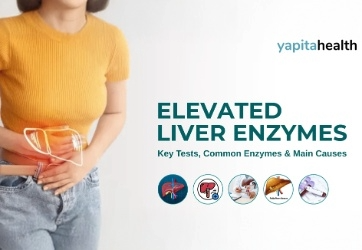
Enzymes are the heroes of your body - they work behind the scenes to keep everything running smoothly. For example, without them your body wouldn t be able to break down food into energy or copy DNA. Your liver plays a key role in digestion as it produces important enzymes and fluids such as bile. This helps break down fats in your small intestine to allow proper absorption. It also helps your liver release important enzymes such as alanine transaminase (ALT) and aspartate transaminase (AST). When the enzyme levels rise it may be seen as a sign of something wrong in your liver. This affects your digestion as well as overall health.
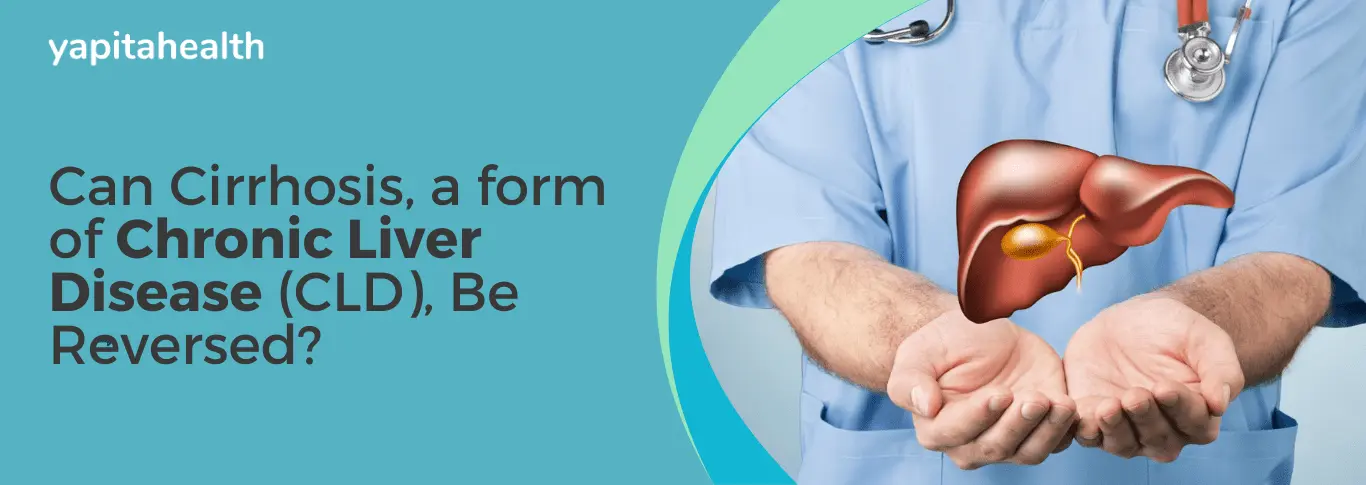
Liver cirrhosis is a chronic condition in which the liver progressively worsens and gets severe tissue scarring, leading to poor liver function. Fundamentally, the liver filters toxins from the blood, manufactures bile, and conducts other metabolic activities. Over time, due to cirrhosis, it becomes increasingly damaged. The replacement of healthy liver tissue with scar tissue reduces the capability of the organ to function properly, which causes severe health complications.
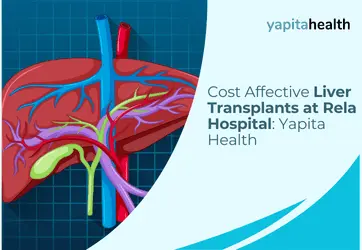
Regarding advanced medical treatment, especially regarding liver transplantation, Rela Hospital in Chennai is one of the most renowned institutions in India. This hospital has state-of-the-art technology, the first-class expertise of medical professionals, and a patient-oriented approach. Liver transplant price in India are relatively lower when compared to many Western nations. We will go through in this blog what makes liver transplants at Rela Hospital extraordinary in terms of technology, staff and doctor expertise, and patient experience.