
1
Pre vetted clinics & surgeons
We audit accreditation, credentials, patient reviews and on-site facility inspections so you only compare clinics worth your trust.
Unlock our Best and Exceptional Keratopigmentation Overseas
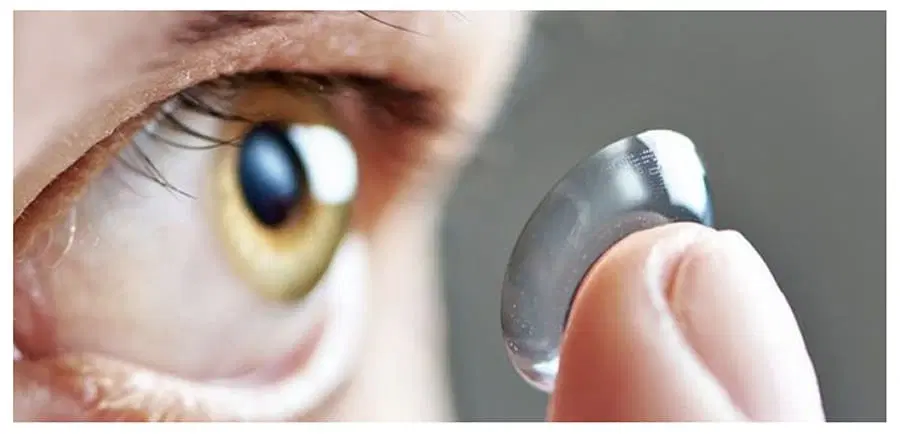
Keratopigmentation is a fascinating ophthalmic procedure that involves altering the color of the cornea. Whether for cosmetic enhancement or to address a medical condition, this technique allows for a remarkable transformation of eye appearance.
It's a blend of medical precision and artistic vision, designed to create a natural-looking and lasting result.
At its core, keratopigmentation is a specialized technique where micro-pigments are carefully introduced into the corneal tissue, the clear, outermost layer of the eye.
Unlike colored contact lenses, which sit on the surface, or iris implants, which are placed inside the eye, keratopigmentation integrates the color directly into the cornea.
This creates a permanent and often very natural-looking change to the eye's apparent color. It's a testament to how far ophthalmic science has come, offering solutions that were once unimaginable.
Share a few details and receive a personalized quote from our medical coordinators within 24 hours no obligation.
People turn to keratopigmentation for a variety of reasons, broadly falling into two categories: medical necessity and aesthetic preference.
Medical Reasons:
Ocular Scars: When a corneal scar affects the eye's appearance, making it look discolored or uneven, keratopigmentation can artfully mask the scar, blending it seamlessly with the surrounding healthy tissue.
Aniridia or Colobom For individuals born with partial or complete absence of the iris, or with a 'keyhole' defect, this procedure can create a more complete and natural-looking iris, often reducing uncomfortable light sensitivity (photophobia) and glare.
Severe Heterochromi In cases where one eye is significantly discolored due to trauma or disease, leading to a noticeable mismatch in appearance, keratopigmentation can help harmonize the eye colors.
Light Sensitivity: For certain conditions causing severe glare or light intolerance due to iris defects, creating a custom artificial pupil can offer functional relief.
Aesthetic Reasons:
Many individuals simply desire a permanent change in their eye color. This is a personal choice, and keratopigmentation offers a lasting solution without the daily upkeep of colored contact lenses.
It's about achieving a desired look that feels truly integrated.
The evolution of keratopigmentation has led to several sophisticated techniques, each with its own advantages, primarily differing in how the corneal tunnels are created and pigments are introduced.
Femtosecond Laser-Assisted Keratopigmentation: This is often considered the most advanced method. A femtosecond laser precisely creates tiny, intricate tunnels within the corneal stroma (the middle layer of the cornea). The desired pigment is then meticulously injected into these pre-formed tunnels. The precision of the laser allows for highly controlled and predictable results, often leading to a smoother recovery.
Manual/Mechanical Keratopigmentation: In this older approach, a surgeon would manually create lamellar pockets or tunnels in the cornea using surgical instruments. While still effective, it relies more heavily on the surgeon's manual dexterity compared to laser-assisted methods.
Intrastromal Pigmentation: This refers to the placement of pigments within the corneal stroma, regardless of the method used to create the pocket. The goal is always to embed the pigment safely and durably.
Preparation for keratopigmentation is crucial and involves a thorough evaluation and open discussion with your surgeon.
Comprehensive Eye Examination: Your ophthalmologist will conduct a detailed examination of your eyes, assessing your overall eye health, corneal thickness, and ruling out any pre-existing conditions that might contraindicate the procedure.
Discussion of Goals and Expectations: This is a vital step. You'll have an in-depth conversation about your desired eye color or appearance, ensuring that your expectations are realistic and aligned with what the procedure can safely achieve. The surgeon will explain the nuances of color selection and potential outcomes.
Pigment Selection: If it's a cosmetic change, you'll work with the surgeon to choose the exact shade. For medical cases, the goal is often to match an existing eye or create a natural-looking pupil.
Pre-operative Instructions: You'll receive specific instructions regarding eye drops, medications to avoid, and fasting guidelines (if general anesthesia is used, though it's often done under local).
Informed Consent: You'll thoroughly review and sign consent forms, ensuring you understand the procedure, its potential benefits, risks, and alternatives. This is your opportunity to ask any lingering questions.
The actual procedure is performed with meticulous care, typically lasting between 30 minutes to an hour per eye, depending on the complexity.
Anesthesi Keratopigmentation is usually performed under local anesthesia, often with sedation to help you relax. You'll be awake but comfortable, and your eye will be numbed. In some cases, especially for younger patients or complex revisions, general anesthesia might be an option.
Corneal Tunnel Creation: If a femtosecond laser is used, you'll be positioned under the laser, which precisely creates a series of microscopic tunnels within the cornea. This process is quick and virtually painless. If a manual technique is employed, the surgeon carefully creates the necessary pocket.
Pigment Implantation: Once the tunnels or pockets are formed, the chosen medical-grade pigment is carefully introduced into these spaces. The surgeon will ensure even distribution to achieve the desired color and effect.
Completion: After the pigment is confirmed to be correctly placed, the surgeon will typically rinse the eye and apply a protective contact lens.
The immediate post-operative period is crucial for proper healing and to ensure the best possible outcome.
Immediate Post-Op: You might experience some mild discomfort, light sensitivity, or a sensation of having something in your eye. Vision may be temporarily blurry. These effects usually subside within a few days.
Protective Measures: A clear protective shield or bandage contact lens is often worn for the first few days to aid healing and prevent rubbing.
Eye Drops: You'll be prescribed antibiotic and anti-inflammatory eye drops to prevent infection and manage swelling. It's vital to follow the drop schedule diligently.
Rest and Restrictions: Your surgeon will advise you to rest your eyes, avoid strenuous activities, heavy lifting, and direct water exposure to the eyes for a specified period. No eye makeup should be worn.
Follow-up Appointments: Regular follow-up visits are scheduled to monitor your healing, check eye pressure, and assess the progress of your new eye color.
Like any medical procedure, keratopigmentation carries potential risks, though serious complications are rare. It's important to be fully informed.
Infection: As with any eye procedure, there's a small risk of infection, which is why antibiotic drops are prescribed.
Inflammation/Irritation: The eye may experience temporary redness, swelling, or irritation.
Glare or Halos: In some cases, especially if the new pupil is not perfectly sized or centered, patients might experience increased glare or halos around lights, particularly at night.
Pigment Migration: Though rare with modern techniques, there's a slight possibility of pigment shifting or becoming uneven over time.
Allergic Reaction: While medical-grade pigments are designed to be inert, a rare allergic reaction is possible.
Vision Changes: While the procedure aims to improve appearance, it typically doesn't improve vision and, in very rare cases, could cause temporary or permanent vision issues if complications arise.
Dissatisfaction with Color: Achieving the exact desired shade can be challenging, and some patients might be dissatisfied with the final color or its uniformity.
Corneal Thinning (Rare): Extremely rare, but a theoretical risk with any corneal procedure.
The recovery process involves an initial healing phase followed by gradual stabilization of the color and overall eye health.
Initial Healing (Days 1-7): The first few days will involve strict adherence to eye drop regimens and avoiding activities that could strain the eyes. Discomfort should subside, and vision will start to stabilize.
Short-Term Recovery (Weeks 1-4): Most of the swelling and initial redness will resolve. The new eye color will become more apparent as the eye heals. You can typically resume most normal activities, but still avoid anything that could risk direct trauma to the eye.
Long-Term Stabilization (Months 1-6): The color will fully settle during this period. Your surgeon will monitor your eye health and the stability of the pigment.
Durability: Keratopigmentation is generally considered a permanent procedure. The pigments are integrated into the corneal tissue and are designed to last indefinitely. While some minor fading might occur over many years, significant changes are uncommon.
The results of keratopigmentation can be truly life-changing for many individuals, offering a lasting solution for eye color modification.
Aesthetic Outcome: For cosmetic purposes, the goal is a natural-looking eye color that harmonizes with your facial features. For medical reasons, the aim is to create a more natural appearance and often improve visual comfort.
Permanence: The pigments used are highly stable and are intended to be a permanent alteration of eye color. This eliminates the need for ongoing maintenance associated with other temporary solutions.
Individual Variation: The final result can vary slightly from person to person based on individual corneal characteristics, healing processes, and the specific technique used.
Potential for Revisions: In rare cases, minor touch-ups or revisions might be considered if the initial result isn't perfectly uniform or if a subtle adjustment is desired.
Here are some common questions people ask about keratopigmentation:
The procedure is typically performed under local anesthesia, so you should not feel pain during the surgery. You might experience some mild discomfort or a foreign body sensation for a few days after the procedure.
Each eye typically takes between 30 minutes to an hour, depending on the complexity of the case and the technique used.
While technically possible, reversing keratopigmentation is very challenging and may not lead to the original eye color or appearance. It's generally considered a permanent procedure.
Keratopigmentation primarily affects the appearance of the eye and generally does not improve or worsen vision. In rare cases, complications could potentially affect vision, but this is uncommon with skilled surgeons and proper technique.
The results are considered permanent, as the pigments are integrated into the corneal tissue. Significant fading or changes are uncommon over time.
While a wide range of colors is possible, your surgeon will guide you on what shades will look most natural and are achievable based on your current eye color and corneal characteristics. The goal is often a harmonious and realistic outcome.
Most initial discomfort subsides within a few days. You can typically resume light activities within a week, with full recovery and stabilization of the color over several weeks to a few months.
Hundreds of clinics across 20+ countries. One coordinator who narrows it down to the right two or three, transparently, and runs the whole trip for you.
We audit accreditation, credentials, patient reviews and on-site facility inspections so you only compare clinics worth your trust.
Detailed cost breakdowns with no hidden fees, plus preferential partner rates typically 10–15% below booking directly.
Visa guidance, flights, airport pickup, hotel, clinic coordination and 12 month post-op check-ins managed by one dedicated coordinator.
Share a few details and a Yapita Health coordinator will send you a vetted clinic shortlist and personalized quote within 24 hours.
Expert guides and insights about Keratopigmentation to help you decide with confidence.

If you have dreamed of ditching your glasses or contact lenses for a permanent fix - LASIK is the way to go! Chances are you have already spoken to your ophthalmologist about it and know everything. Except the best place to get it done and the cost. India is one of the leading places where you can get this surgery done by experts without spending a fortune. So, how much LASIK surgery cost in India? Read on to find out.