
1
Pre vetted clinics & surgeons
We audit accreditation, credentials, patient reviews and on-site facility inspections so you only compare clinics worth your trust.
Get approximate cost for Coronary Angioplasty in India
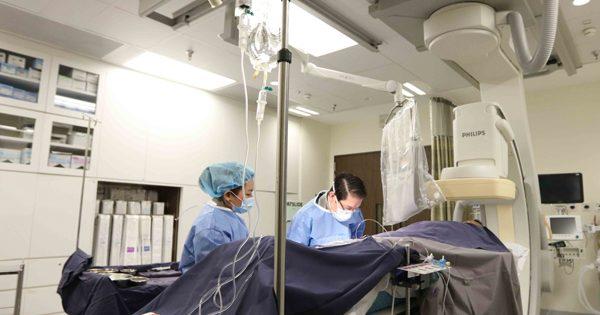
Coronary Angioplasty is a surgery that is needed when the coronary arteries are blocked or have become narrowed. The surgery is performed to open the arteries so that the blood supply to the heart muscles is not blocked. A stent might be introduced in the arteries in some cases. The stent is a medical device that prevents the arteries from depositing cholesterol, avoiding the blockage in the arteries.
Share a few details and receive a personalized quote from our medical coordinators within 24 hours no obligation.
There are various types of coronary angioplasty procedures, including:
Balloon angioplasty: A small balloon is inflated to expand the blocked artery and improve blood flow.
Balloon angioplasty with stenting: After the balloon is inflated, a stent is placed in the artery to keep it open. The stent is often coated with medication to prevent re-narrowing.
Drug-eluting stents (DES): These stents release medication that helps prevent the regrowth of plaque and decreases the risk of re-narrowing.
Cutting or scoring balloons: These balloons have tiny blades or small cuts that can help break up plaque and widen the artery further.
Rotational atherectomy: A tiny rotating device with a burr is used to shave off or remove the plaque from the artery walls.
During coronary angioplasty, the patient is usually awake, although sedatives may be given to help relax and reduce discomfort. The procedure involves the following steps:
Local anesthesia is administered to numb the insertion site, usually the wrist or groin.
A small incision is made to access the blood vessel, and a catheter is inserted.
Using X-ray guidance, the catheter is navigated to the blocked coronary artery.
A contrast dye is injected to visualize the blockage and guide the procedure.
A balloon catheter is then advanced and inflated to widen the narrowed artery.
If necessary, a stent may be deployed to keep the artery open.
After the artery is successfully treated, the catheter is removed, and pressure is applied to the incision site to prevent bleeding.
Before the Procedure
Before coronary angioplasty, patients may be instructed to fast for several hours and temporarily discontinue certain medications. Pre-procedural instructions will be provided by the healthcare team.
After the Procedure
After coronary angioplasty, patients are usually monitored for a short period to ensure stability and recovery from any effects of the procedure. The healthcare team will provide instructions for post-procedural care, medications, and potential lifestyle changes. Most patients are discharged within a day or two and can often resume normal activities within a few days.
Follow-up Care during Recovery
During the recovery period, patients will have regular follow-up appointments with their healthcare provider. These appointments may include:
Evaluation of recovery progress
Assessment of any symptoms or complications
Adjustments to medications
Monitoring of lifestyle changes (diet, exercise, smoking cessation, stress management)
Recommendations for ongoing care and preventive measures to reduce the risk of future cardiovascular events.
While coronary angioplasty is generally safe and effective, there are some risks and possible complications associated with the procedure. These can include:
Bleeding at the insertion site
Blood clots
Stent-related complications (stent thrombosis, in-stent restenosis)
Artery damage/dissection
Allergic reactions to contrast dye
Infection
Kidney damage (rare)
Risk of coronary artery blockage recurrence
However, the benefits of coronary angioplasty often outweigh the potential risks. The procedure can relieve symptoms, improve blood flow to the heart, and reduce the risk of heart attack or other serious heart-related complications.
The recovery time after coronary angioplasty can vary depending on individual factors and the complexity of the procedure. Most individuals can resume normal activities within a few days to a week after the procedure. However, specific restrictions or recommendations may be provided by the healthcare provider based on the patient's condition and individual recovery progress.
We offer advanced coronary angioplasty procedures to open blocked arteries, restore blood flow, and relieve symptoms of coronary artery disease. Our experienced team of cardiac healthcare professionals provides personalized care and utilizes the latest technology for successful outcomes. Trust us for quality and compassionate cardiac care at Yapita Health.
Hundreds of clinics across 20+ countries. One coordinator who narrows it down to the right two or three, transparently, and runs the whole trip for you.
We audit accreditation, credentials, patient reviews and on-site facility inspections so you only compare clinics worth your trust.
Detailed cost breakdowns with no hidden fees, plus preferential partner rates typically 10–15% below booking directly.
Visa guidance, flights, airport pickup, hotel, clinic coordination and 12 month post-op check-ins managed by one dedicated coordinator.
Share a few details and a Yapita Health coordinator will send you a vetted clinic shortlist and personalized quote within 24 hours.
Transparent pricing, no hidden fees. Every package includes the clinic stay, surgeon fee and aftercare.
Common questions about Coronary Angioplasty, answered by our care team.
There are two types
1. Baloon Angioplasty,
2. Stenting.
Coronary angioplasty is typically recommended for individuals with coronary artery disease (CAD) who experience symptoms such as chest pain or shortness of breath due to narrowed or blocked arteries.
Yes, Coronary angioplasty is generally considered safe, but like any medical procedure, it carries some risks and potential complications. The healthcare team will assess the individual's risk factors and determine the most appropriate treatment option.
The duration of the coronary angioplasty procedure can vary depending on factors such as the complexity of the blockage, the number of arteries involved, and the individual patient. On average, the procedure may take about 30 minutes to a few hours.
The average hospital stay for a patient undergoing coronary angioplasty is typically short, often requiring an overnight stay or discharge within a day or two after the procedure.
The success rate of coronary angioplasty varies depending on the individual case and the severity of the blockage. However, it is considered an effective treatment for improving blood flow, relieving symptoms, and reducing the risk of future heart-related complications.
Possible risks and complications of coronary angioplasty can include bleeding, blood clots, stent-related issues, artery damage, allergic reactions, infection, kidney damage, and the reoccurrence of blockages. However, these risks are generally low, and the benefits outweigh them in most cases.
The need for life-long medication after coronary angioplasty depends on factors such as the underlying condition, individual risk factors, and the healthcare provider's recommendations. Medications may be prescribed to manage risk factors like high blood pressure or high cholesterol or prevent blood clots.
The risk of infection after coronary angioplasty is low. After the procedure, individuals can usually resume their normal activities, although some restrictions may be advised during the recovery period. However, certain lifestyle changes such as adopting a healthy diet, regular exercise, and stress management may be recommended.
Lifestyle changes associated with coronary angioplasty may include adopting a heart-healthy diet, engaging in regular exercise, quitting smoking, managing stress levels, and maintaining regular follow-up visits with the healthcare provider.
Expert guides and insights about Coronary Angioplasty to help you decide with confidence.
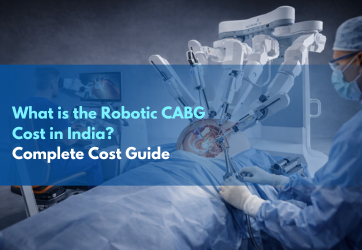
India is a leader in heart surgery with experienced cardiologists and heart surgeons, well-equipped hospitals and world-class heart centres. India offers minimal wait times, affordable packages and precision care, leaving behind Western countries in their medical offerings. Robotic CABG is a minimally invasive procedure that involves small cuts in the chest so that the surgeon can visualize the area to be treated and complete the surgery with precision. Read this article to know all about the robotic CABG cost in India.

Coronary artery bypass grafting (CABG), commonly known as heart bypass surgery, is a life-saving procedure for patients with severe coronary artery disease. When arteries become clogged with plaque, restricting blood flow to the heart, CABG creates new pathways to restore proper circulation. The following sections explain how CABG works, who needs it, recovery expectations, risks, and alternatives - helping patients and families make informed decisions about this major cardiac surgery.

If you are looking for comprehensive cardiac surgery package in India, you would be one in thousands visiting for cardiac care. You can get access to state-of-the-art facilities and highly skilled doctors who treat you at fraction of the cost in Western countries. From travel, accommodation and world-class care, you can get the best of all in India. A global leader in cardiac care, India treats thousands annually with its advanced medical technology. The following sections will take you through the different aspects of cardiac surgery. We will also list different pediatric cardiac surgery hospital in India.

If you or your loved one has recently been recommended the Bentall procedure, you ve probably already dived head-first into it. Chances are, what you found did not satisfy the questions of long-term benefits you ll see. And if you ll see it. Your surgeon may not tell you the truth about recovery and long-term care in its entirety. Also, you can t hold them fully accountable with the amount of patients they tend to; so, think of us as their helpers! Answering every question about the Bentall procedure that you may not find at the clinic! The following section is for you to dive into.
.png)
Before we answer this for you, it s important that we first address the problem at hand. Why do arteries get blocked? There are many factors that contribute to it; here are a few to give you the idea. Primarily, plaque buildup (accumulation of fatty substance in the artery walls) leads to blocked arteries. So, when does the need for a surgery to fix this blockage arise? As you can imagine, only when the blockage is too high. When the buildup increases, it hinders blood flow, which can lead to the risk of cardiovascular conditions such as stroke. Arteries are tubes in the body that transport oxygen-rich blood throughout different body systems and help them function properly. When this transport of blood is hindered, it can cause several issues for the person.
We know that just the thought of going for open-heart surgery is enough to make you, your family, and your loved ones terrified. Any surgery, let alone an open-heart surgery can invoke anxiety in a person s mind. Deciding to get the surgery can be haunting and it will require a lot of mental and emotional strength. Open heart surgery has many risks involved with it as it is a complex surgery, so you need to make sure that this is the right treatment path for you before agreeing to do it. This is where a second opinion about the diagnosis and treatment option becomes important. Getting a second opinion before undergoing open-heart surgery has many advantages, some of which are mentioned below.