
1
Pre vetted clinics & surgeons
We audit accreditation, credentials, patient reviews and on-site facility inspections so you only compare clinics worth your trust.
Get approximate cost for Corneal Transplantation - Eye Transplant in India
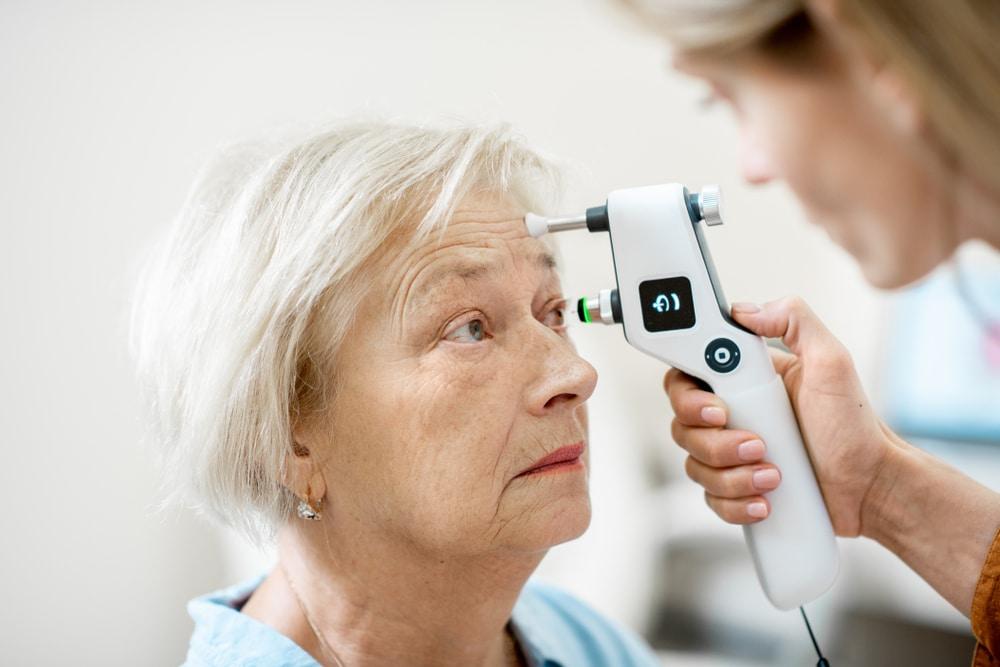
Corneal transplantation is an operation in which the cornea, which is the clear dom-shaped tissue in the eye, is replaced by a donor cornea tissue. A cornea transplant is done to remove the damaged or diseased cornea of a person which might be posing problems like pain, unclear vision, and more. A deceased person’s cornea can be taken to be the donor’s cornea. Tissue matching is not required for a cornea transplantation. The cornea can be partially replaced or fully replaced depending on the condition of the patient.
Share a few details and receive a personalized quote from our medical coordinators within 24 hours no obligation.
Overview
A Cornea transplant is a surgical procedure in which a damaged or diseased cornea is replaced with a healthy cornea from a deceased donor to improve vision and treat corneal conditions.
Individuals may need a Cornea transplant to address the following conditions:
1. Corneal scarring due to injuries or infections
2. Keratoconus, a progressive thinning and bulging of the cornea
3. Fuchs' endothelial dystrophy, a condition affecting the innermost layer of the cornea
4. Corneal edema or swelling
5. Corneal degeneration or thinning
1. Corneal scars
2. Corneal thinning disorders
3. Corneal endothelial dysfunction
4. Corneal dystrophies
Candidates for a Cornea transplant undergo a comprehensive eye examination and evaluation by an ophthalmologist to determine if they are suitable candidates for the procedure. Factors such as overall eye health, corneal condition, and visual potential are considered.
There are different types of Cornea transplant procedures, including:
1. Penetrating Keratoplasty (PK): Involves replacing the entire thickness of the cornea with a donor cornea.
2. Endothelial Keratoplasty (EK): Replaces only the damaged innermost layer of the cornea, leaving the outer layers intact. Types of EK include Descemet's Stripping Endothelial Keratoplasty (DSEK) and Descemet's Membrane Endothelial Keratoplasty (DMEK).
During a Cornea transplant procedure:
1. The patient is given local or general anesthesia for comfort during surgery.
2. The damaged cornea is carefully removed from the eye.
3. A healthy cornea from a donor eye is measured and prepared to fit the recipient's eye.
4. The donor cornea is then sutured or adhered onto the recipient's eye.
5. Sutures may be used to secure the transplanted cornea in place.
Before a Cornea transplant, patients undergo a thorough eye examination and evaluation to assess their corneal condition and overall eye health. The patient's medical history is also reviewed to ensure they are suitable candidates for the surgery.
After a Cornea transplant, patients are monitored in a recovery area before being discharged. The surgeon will provide post-operative care instructions, including the use of eye drops and medications to prevent infection and inflammation.
During recovery, patients have regular follow-up appointments with their ophthalmologist to monitor the healing process, evaluate vision improvement, and adjust medications as needed.
Possible risks or complications of Cornea Transplant surgery:
1. Rejection of the donor cornea
2. Infection
3. Increased intraocular pressure
4. Glaucoma
5. Cataracts
6. Astigmatism
7. Swelling or edema of the cornea
The recovery time after a Cornea transplant varies from person to person but typically takes several months. Patients are advised to avoid strenuous activities and protect the eye from trauma during the healing process.
At Yapita Health, we are committed to providing high-quality and personalized care for corneal transplantation. Our team of skilled ophthalmologists and specialized medical professionals will ensure that you receive top-level treatment and support throughout your journey.
Hundreds of clinics across 20+ countries. One coordinator who narrows it down to the right two or three, transparently, and runs the whole trip for you.
We audit accreditation, credentials, patient reviews and on-site facility inspections so you only compare clinics worth your trust.
Detailed cost breakdowns with no hidden fees, plus preferential partner rates typically 10–15% below booking directly.
Visa guidance, flights, airport pickup, hotel, clinic coordination and 12 month post-op check-ins managed by one dedicated coordinator.
Share a few details and a Yapita Health coordinator will send you a vetted clinic shortlist and personalized quote within 24 hours.
Transparent pricing, no hidden fees. Every package includes the clinic stay, surgeon fee and aftercare.
Common questions about Corneal Transplantation - Eye Transplant, answered by our care team.
The need for a Cornea transplant depends on the individual's specific corneal condition. Some people may live without needing a transplant if their corneal health is not compromised.
Candidates for a Cornea transplant should have a damaged or diseased cornea that cannot be effectively treated through other means.
Individuals with corneal conditions such as scarring, thinning, or dysfunction that affect vision and cannot be corrected with glasses or contact lenses may benefit from a Cornea transplant.
Cornea transplant is generally considered safe when performed by skilled ophthalmologists in appropriate medical settings.
The duration of a Cornea transplant procedure varies, depending on the type of transplant and any additional complexities. Generally, the surgery takes 1-2 hours.
Risks of Cornea transplant include corneal rejection, infection, increased intraocular pressure, glaucoma, and cataracts.
Patients may need to use eye drops and medications for several months or years to prevent corneal rejection and manage inflammation.
The risk of infection after Cornea transplant is generally low when proper post-operative care and hygiene practices are followed. After the initial healing period, patients can gradually resume their normal activities.
After a Cornea transplant, patients should avoid activities that may cause trauma to the eye, wear protective eyewear when necessary, and follow the surgeon's post-operative instructions for a successful recovery.
Pregnancy after a Cornea transplant is generally safe once the eye has fully healed. However, it is advisable to discuss family planning with the ophthalmologist before the procedure.
Cornea transplant is considered a safe procedure, and the overall chances of a successful outcome are high when performed by experienced ophthalmologists.
Expert guides and insights about Corneal Transplantation - Eye Transplant to help you decide with confidence.

If you have dreamed of ditching your glasses or contact lenses for a permanent fix - LASIK is the way to go! Chances are you have already spoken to your ophthalmologist about it and know everything. Except the best place to get it done and the cost. India is one of the leading places where you can get this surgery done by experts without spending a fortune. So, how much LASIK surgery cost in India? Read on to find out.