
1
Pre vetted clinics & surgeons
We audit accreditation, credentials, patient reviews and on-site facility inspections so you only compare clinics worth your trust.
Unlock our Best and Exceptional CAR-T Cell Therapy

A CAR T-cell therapy extracts the T-cells from the patient’s blood and improves their ability to fight the cancer once they are reinjected. The procedure is one of the most reliable immunotherapies for blood cancers and has shown great results.
The patient’s blood is collected to extract T-cells that will later piggyback the chimeric antigen receptor genes to produce CAR-producing T-cells that can fight the cancer better once inside the patient’s system.
There are different types of CAR-T cell therapy for specific blood cancers, which you’ll shortly see. Let’s have a look at the different ways you can find a solution through this therapy option.
Share a few details and receive a personalized quote from our medical coordinators within 24 hours no obligation.
One of the most recent developments in treating blood cancer, this option is quite successful in improving the health outcomes for patients with blood cancers. This is only effective for advanced cancers, where it can completely help the patient be cancer-free.
What makes this therapy so exciting for the medical community? It’s different from other immunotherapies primarily in that it poses lower risks - as the therapy uses the patient’s own cells instead of a foreign object that’s more likely to be rejected immediately by the immune system. Thus, leading to severe allergic reactions that can be lethal for the patient.
It is also known as a “living drug” due to the prolonged effect, which persists for life.
Someone who has undergone the traditional therapies for blood cancer and hasn’t seen great improvements, such as recurrence. In these cases, a person can expect better results with CAR T-cell therapy.
This immunotherapy is not the same as stem cell therapy or bone marrow transplant; neither does it match the requirements of chemotherapy. CAR T-cell therapy is a novel therapy option that can be very effective - much more than traditional options in cases of blood cancer treatment.
The therapy mainly treats blood cancers of the following types:
ALL or Acute lymphoblastic leukemia
Different lymphomas (such as diffuse large B-cell lymphoma)
Leukemias
Multiple myeloma (Under investigation)
The condition is also under investigation for other blood cancers such as mantle cell lymphoma, High-grade B-cell lymphoma, and follicular lymphoma, among other types.
To be eligible for the therapy, you must meet the following criteria:
Cancer diagnosis that has relapsed after other treatment
Adequate cardiac, organ and pulmonary (lung) functions
Patients with DLBCL that has not responded or relapsed to the first line of treatment.
Therapy must have a proteasome inhibitor or anti-CD38 monoclonal antibody.
Evaluation:
Neurology evaluation and consultation are necessary to check neurotoxicity.
Cardiac, organ, and pulmonary function tests.
Type and stage of cancer
Overall health and status of the immune system
Dental check to avoid infections
Blood tests, electrocardiograms, echocardiograms, MRI, PET and CT scans to assess the cancer’s response and patient’s condition.
CAR T-cell therapy involves the collection of a patient’s T cells through a process known as leukapheresis, where a machine extracts the blood and can simultaneously separate T cells. These T cells can then be transported to a lab where they will be cultured to produce CAR.
Then, these will be cultivated to produce millions of such CAR-T cells that can be re-injected into the patient. When inside the patient, it can then thrive and recognize the cancer cells. In some cases, while the CAR-T cells produce and reach the required number, the patient may be subjected to bridging therapy.
Bridging therapy subjects the patient to radiation or chemotherapy that helps manage the cancer while CAR-T cells are under production.
This involves the necessary steps to prepare for the surgery. It includes preparing the patient for the procedure through the following steps:
Conducting patient evaluation
Cell collection through leukapheresis
Cell modification to prepare CAR T-cells
Bridging therapy that includes chemotherapy or lymphodepletion to minimize the risk of body rejecting CAR T cells
The procedure mainly involves reinjecting the CAR T cells after they’ve reached a substantial amount. After the infusion, close monitoring for side effects and health progress. The patients need to remain in the hospital for complete monitoring.
Follow-up appointments to keep a check on the cancer’s remission and any additional steps that may be necessary to maintain the patient’s health.
Primarily, six types of CAR-T cell therapy exist, depending on the type of blood cancer. The following is a list of the currently FDA-approved therapies that are routinely used for the respective blood cancer type:
Kymriah: This is approved therapy for B-cell acute lymphoblastic leukemia, or ALL in cases involving children and young adults. It is also suitable for certain types of lymphoma. Also known as tisa-cel (tisagenlecleucel).
Tecartus: This is the CAR-T cell therapy approved for B-cell ALL in adults and mantle cell lymphoma. Also known as brexu-cel (brexucabtagene autoleucel).
Yescarta: The therapy is best suited for certain types of B-cell lymphomas, such as large B-cell lymphoma and follicular lymphoma. Also known as Axi-Cel (axicabtagene ciloleucel).
Breyanzi: FDA-approved therapy for large B-cell lymphoma. Also known as liso-cel (lisocabtagene maraleucel).
Abecma: CAR-T cell therapy type for treating multiple myeloma. Also known as ide-cel (idecabtagene vicleucel).
Carvykti: Treats multiple myeloma. Also known as cilta-cel (ciltacabtagene autoleucel).
Recovery looks different due to individual factors and cancer type or stage. However, one of the most remarkable points to note is the recovery time, which can be 6 months or longer. In addition, due to the therapy being a living drug, the individual has long-lasting remission as the CAR-T cells continue recognizing and killing cancer cells, even if they come back.
Your follow-up care will somewhat look like this:
The first few months will include regular hospital appointments
Follow-up tests include blood tests and imaging scans (such as bone marrow biopsies, or PET scans)
Regular consultation with the CAR-T team to assess organ function, blood counts and overall health
Prescription medications for managing side effects and preventing infections may be necessary. In addition, you may need to continue medications for several months to ensure complete recovery.
There may be a few driving restrictions due to the neurological changes.
Long-term follow-up for any late-onset complications or cancer recurrence.
The CAR-T cell therapy is one of the highly effective treatments for blood cancers, but it also poses several risks, such as the following:
Neurological issues or ICANS.
Cytokine release syndrome (one of the significant risks).
Weakened immune system that can increase the risk of infections.
Headaches
Confusion or agitation
Changes in consciousness
Twitching or shaking
Loss of balance
Trouble understanding or speaking
Allergic reactions during infusion
Low blood cell counts, which increase the risk of bruising, fatigue, infections, and bleeding.
Personalized approach as it leverages the patient’s immune system.
Protects the healthy cells in comparison to traditional treatment options (chemotherapy, radiation.)
More than 85% of the cases see complete remission.
Improves quality of life and prolongs it.
Short treatment time that’s least invasive.
Long-term remission as CAR-T cells remain in the body for an extended time,, which can continue attacking cancer cells if they relapse.
As the leading cancer management company, Yapita Health can help you find complete professional support to navigate the condition. Our network of world-class oncologists and well-equipped cancer hospitals across the world makes your diagnosis easier.
Let us help you achieve a better quality of life that’s safe and healthy.
Hundreds of clinics across 20+ countries. One coordinator who narrows it down to the right two or three, transparently, and runs the whole trip for you.
We audit accreditation, credentials, patient reviews and on-site facility inspections so you only compare clinics worth your trust.
Detailed cost breakdowns with no hidden fees, plus preferential partner rates typically 10–15% below booking directly.
Visa guidance, flights, airport pickup, hotel, clinic coordination and 12 month post-op check-ins managed by one dedicated coordinator.
Share a few details and a Yapita Health coordinator will send you a vetted clinic shortlist and personalized quote within 24 hours.
Expert guides and insights about CAR-T Cell Therapy to help you decide with confidence.

When facing a cancer diagnosis, thousands of patients travel abroad for medical tourism to bypass long waitlists, access advanced technologies, and find affordable care. While the US offers top-tier research and clinical trials, its exorbitant costs ($100,000 to $300,000+) make it financially devastating for many. Different countries cater to specific patient needs: India: Offers the best overall value, providing identical protocols and advanced technology (like CyberKnife and robotic surgery) at 60 80% lower costs. Germany: The premier choice for cutting-edge oncology, precision medicine, and rare cancers. Turkey and Thailand: Serve as excellent regional hubs, offering high-quality, European-standard care and comfortable recovery environments at highly competitive prices. Ultimately, choosing the right destination depends on budget, cancer type, and logistics. Medical tourism facilitators like Yapita Health help patients navigate this journey by connecting them to accredited hospitals, providing free cost estimates, and offering remote second opinions.
Cancer treatment in Germany is known for its advanced technology, holistic care and personalized plans. Germany is well-known for its use of cutting-edge methods like precision-radiation, targeted therapies and immunotherapy. This blog focuses on all the cancer treatment options Germany offers, how foreigners benefit and details on the top treatments.

Bone marrow transplant in India has developed significantly. This country is now a leading destination for BMT, attracting patients from all parts of the world - near or far. From affordability to high-quality BMT, the high success rate puts India on the map for this treatment.
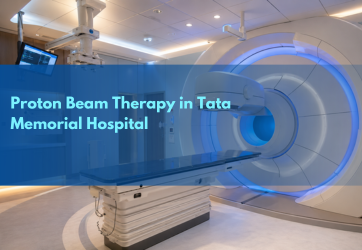
Proton Beam Therapy is one of the most advanced forms of radiation therapy in modern oncology. India has its first publicly available proton therapy facility at Tata Memorial Centre s ACTREC campus in Kharghar, Navi Mumbai. The National Hadron Beam Therapy Facility at TMC uses high-energy protons to target cancer cells with high accuracy.
.png)
Seeking a second opinion for prostate cancer ensures your diagnosis and treatment plan are accurate. This evidence-based and tailored solution can help you understand your condition better. A second review by another oncologist helps you get a better understanding of your cancer and learn about alternative therapies.
.png)
Germany is one of the well-known destinations for advanced treatment, this is mainly due to its cutting-edge technology, top-ranked clinics and experienced doctors. PSMA prostate cancer treatment is an advanced treatment in Germany for people with advanced stage cancer. International patients frequently select Germany for its multidisciplinary oncology teams with proven results. Whether seeking early intervention or advanced options the best prostate cancer treatment in Germany is custimized for safety and the best results. The following sections will explore the different aspects of PSMA therapy for prostate cancer, inlcuding its cost and the best hospitals where you can find this treatment.