
1
Pre vetted clinics & surgeons
We audit accreditation, credentials, patient reviews and on-site facility inspections so you only compare clinics worth your trust.
Get approximate cost for Bone Cancer Treatment in India

Bone cancer can begin in any bone in the body, but it most commonly affects the pelvis or the long bones in the arms and legs. Bone cancer is rare, making up less than 1 percent of all cancers. In fact, noncancerous bone tumors are much more common than cancerous ones.
Bone cancer treatment refers to the various medical interventions aimed at managing and treating bone cancer. Bone cancer occurs when abnormal cells grow uncontrollably in the bone, leading to the development of tumors. Treatment for bone cancer can include surgery, radiation therapy, chemotherapy, targeted therapy, and immunotherapy, depending on the type, stage, and location of the cancer.
Someone may need bone cancer treatment if they have been diagnosed with bone cancer. Treatment is generally recommended to remove or shrink tumors, prevent the spread of cancer, relieve symptoms, and improve overall survival rates. Treatment can also help preserve or restore bone function and quality of life.
Bone cancer treatment can address various conditions, including:
Primary bone cancer: Treatment is necessary to remove or reduce the growth of cancer cells originating in the bone.
Metastatic bone cancer: Treatment aims to manage cancer that has spread to the bone from other parts of the body.
Pain management: Treatment options can help alleviate bone pain caused by cancer.
Preservation of bone function: Depending on the extent of the disease, treatment may focus on preserving or restoring bone function and mobility.
Before initiating bone cancer treatment, an evaluation is conducted to determine the best course of action. This evaluation may involve various assessments, including medical history review, physical examinations, imaging tests (such as X-rays or MRI), and biopsy to confirm the cancer diagnosis. The requirements for treatment depend on factors such as cancer type, stage, and individual patient characteristics.
There are several types of bone cancer treatment, including:
Surgery: Tumor removal, limb-sparing surgery, or amputation may be performed, depending on the extent and location of the cancer.
Radiation therapy: High-energy beams are used to kill cancer cells or shrink tumors.
Chemotherapy: Systemic drugs are used to kill cancer cells throughout the body.
Targeted therapy: Drugs specifically target certain molecules or proteins involved in the growth and spread of cancer cells.
Immunotherapy: Promotes the body's immune system to recognize and attack cancer cells.
The choice of treatment depends on the type, stage, and location of the bone cancer, as well as the patient's overall health and preferences.
Prior to bone cancer treatment, various pre-operative preparations may be required, including medical tests, imaging scans, and consultations with the treatment team. The patient's medical history and overall health will also be reviewed. It is essential to follow the recommended pre-operative instructions provided by the medical team.
The post-operative care for bone cancer treatment can vary depending on the type of treatment received. This may include wound care, pain management, physical therapy, and regular follow-up appointments with the treatment team. The medical team will provide specific instructions on post-operative care, including any necessary lifestyle modifications and medications.
Possible risks and complications of bone cancer treatment may include infection, bleeding, damage to surrounding tissues, side effects from chemotherapy or radiation therapy, and potential recurrence of cancer. However, the benefits of treatment include tumor removal or reduction, improved quality of life, pain relief, and increased chances of long-term survival.
The recovery time after bone cancer treatment varies depending on the type and extent of treatment received, as well as individual factors. The recovery process may involve physical rehabilitation, pain management, and emotional support to help the patient regain normal function and adjust to any physical changes. It is important to follow the medical team's guidance on post-treatment recovery and engage in any recommended follow-up care.
Share a few details and receive a personalized quote from our medical coordinators within 24 hours no obligation.
We offer comprehensive bone cancer treatment options tailored to each individual's unique needs. Our team of experienced oncologists, surgeons, and other healthcare professionals is dedicated to providing the highest standard of care. our goal is to provide excellent clinical outcomes, personalized care plans, and a compassionate approach to bone cancer treatment. Our dedicated team is committed to supporting patients throughout their journey, from diagnosis to survivorship.
Hundreds of clinics across 20+ countries. One coordinator who narrows it down to the right two or three, transparently, and runs the whole trip for you.
We audit accreditation, credentials, patient reviews and on-site facility inspections so you only compare clinics worth your trust.
Detailed cost breakdowns with no hidden fees, plus preferential partner rates typically 10–15% below booking directly.
Visa guidance, flights, airport pickup, hotel, clinic coordination and 12 month post-op check-ins managed by one dedicated coordinator.
Share a few details and a Yapita Health coordinator will send you a vetted clinic shortlist and personalized quote within 24 hours.
Common questions about Bone Cancer Treatment, answered by our care team.
Without treatment, the prognosis for bone cancer varies depending on the type, stage, and location of the cancer. In general, bone cancer can be aggressive and may spread to other parts of the body. Untreated bone cancer can significantly decrease life expectancy. It is important to consult with a medical professional to determine the best course of action for treatment.
Bone cancer treatment is typically recommended for individuals who have been diagnosed with bone cancer. Treatment aims to remove or reduce tumors, prevent cancer spread, and improve the patient's overall survival rates. It may also help relieve symptoms and preserve or restore bone function and quality of life.
Bone cancer treatments can carry risks and potential side effects. However, the treatment plan is designed to balance potential risks with the benefits of tumor control, symptom relief, and improved quality of life. Consulting with the medical team allows for an understanding of the potential risks and benefits specific to an individual's situation.
The duration of bone cancer surgery depends on various factors, including the type of surgery being performed, the size and location of the tumor, and the complexity of the procedure. Surgical times can range from a couple of hours for a relatively simple tumor removal to several hours for more complex surgeries. The treating surgeon can provide a more accurate estimate based on the specific case.
The length of hospital stay for bone cancer treatment can vary depending on the type of treatment received and individual factors. For surgeries, the hospital stay can range from a few days to a couple of weeks. However, other types of treatment, such as radiation therapy or chemotherapy, may not require a hospital stay at all. The medical team will provide specific information regarding the expected hospital stay based on the treatment plan.
The success rate of bone cancer treatment depends on several factors, including the type and stage of the cancer, the treatment approach, and individual patient characteristics. Success rates can vary, and it is important to discuss specific success rates with the medical team, as this information is specific to each individual case.
Bone cancer treatment can carry risks and potential side effects. These can include infection, bleeding, damage to surrounding tissues, side effects from chemotherapy or radiation therapy, and the potential for cancer recurrence. The medical team will discuss potential risks and mitigation strategies based on the specific treatment plan.
The need for lifelong medications after bone cancer treatment depends on the individual case and the type of treatment received. Different medications may be utilized during treatment, such as pain relievers, antibiotics, or drugs to manage side effects. The treatment team will provide customized guidance on medication use during and after treatment.
While bone cancer treatment can increase the risk of infections, it is essential to take proper precautions to minimize those risks. Following the medical team's recommendations regarding wound care, hygiene, and any necessary lifestyle modifications can help reduce the likelihood of infections. Although there may be some restrictions during recovery, rehabilitation and physical therapy can help restore mobility and quality of life. Engaging with a supportive healthcare team and accessing appropriate resources can assist with the transition and adjustment after treatment.
Expert guides and insights about Bone Cancer Treatment to help you decide with confidence.

Stem cell therapy has been a transformational treatment option for the past decade with success in cases like lymphoma, orthopedics, and neurology. Patients around the world are seeking advanced treatment options at clinics that balance quality, cost and safety. Where can one find it? The following sections explore just that for you and help you with the best options for stem cell treatment around the world.
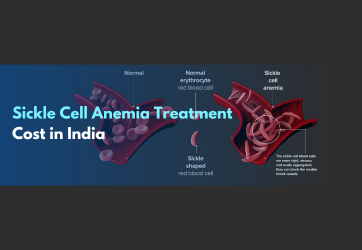
Sickle cell anemia is a serious blood disorder that can have severe implications over time - from organ damage to blockage of blood flow which can caue stroke, high blood pressure in the lungs, vision problems and delayed growth/puberty. This blog talks about the treatment options available in India and its cost.
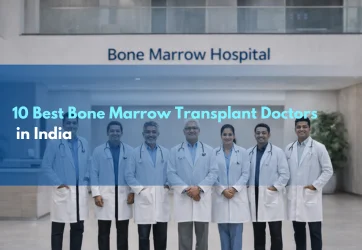
India is one of the best destinations for Bone marrow transplant due to its experienced surgeons and accredited hospitals that bring successful results for patients. This blog features the best doctors in India for bone marrow transplant associated with internationally accredited hospitals. They are highly sought-after by international and Indian patients.

India is home to some of the best hematologists who help diagnose, treat and manage minor to complex blood disorders affecting one's blood, bone marrow or the lymphatic system. They also treat conditions like sickle cell disease, clotting issues or blood cancers like leukemia, myeloma and lymphoma. Yapita brings the latest list of the best hematologists in India.
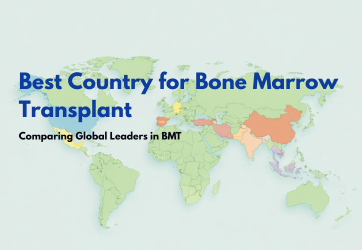
When looking for the best countries providing high quality bone marrow transplant, it is important to consider the options that are present. Yapita brings this comparative guide to you with a look into factors that make each country (we've picked 7 for you) a good option. This regenerative treatment proves to be significantly helpful in chronic conditions like blood cancers. Read on to know which countries can be a safe and reliable option.

The management of Thalassemia is a serious concern among parents due to the complexity of the treatment. This genetic blood disorder affects the production of hemoglobin, which leads to chronic anemia and other health complications in children. Parents and caregivers frequently ask if there is a thalassemia cure? Yes, there is, bone marrow transplant is one of the long-term solutions for this condition among other viable options.